





Winter Greenhouse Gardening In a Growing Dome®
Outside, the garden beds are frozen. Snow settles across the landscape. Trees stand still and bare. Inside a Growing Dome, it feels like a different season entirely.
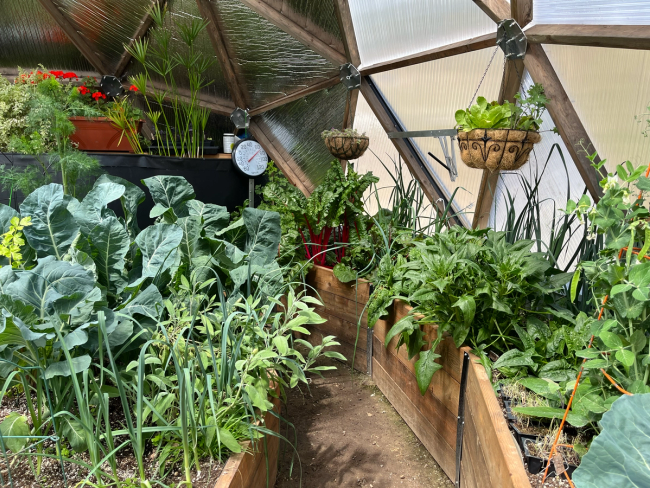
Winter greenhouse gardening transforms the coldest months into a slower, quieter, but still productive time of year. Instead of shutting down when temperatures drop, the dome creates a protected microclimate where plants continue growing, often without supplemental heat, even when outdoor conditions fall well below freezing.
For many Growing Dome gardeners, winter doesn’t mean stopping. It simply means growing differently.

How Winter Greenhouse Gardening Works
The Growing Dome captures low-angle winter sunlight and holds onto that energy efficiently. During the day, sunlight warms the air, soil, and water inside the structure. At night, stored heat is released gradually, softening the temperature swings that damage plants outdoors.
Preparing the dome for colder weather helps everything work even better: growers often adjust ventilation, seal gaps, and insulate vents and openings ahead of winter so heat accumulates more effectively and stays inside longer.
Several elements make this possible:
- Passive solar gain through the polycarbonate glazing
- Thermal mass from the above-ground pond
- Insulation in the foundation wall and on the reflective north wall insulation reduces heat loss
- A geodesic shape that sheds snow and resists wind
Water plays a major role. As thermal mass, it absorbs heat during daylight hours and releases it overnight, helping regulate the interior environment.
Because of this integrated design, the Growing Dome typically requires up to one-third less energy than a traditional greenhouse, while maintaining productive growing conditions year-round.
The goal isn’t tropical heat in January. It’s protection, moderation, and efficiency.
How Warm Does a Growing Dome Stay in Winter?
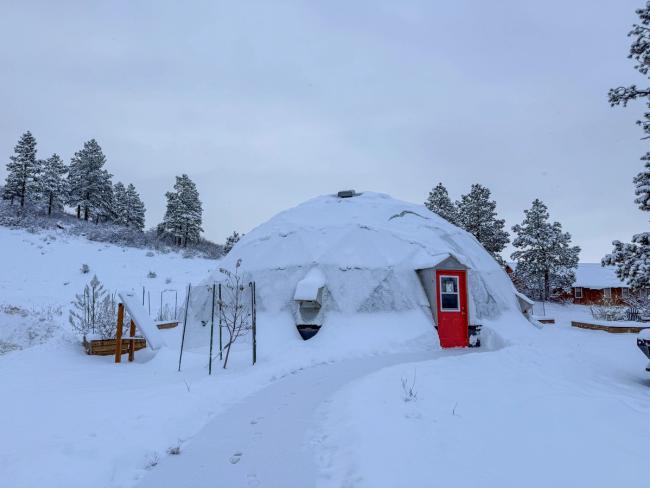
Gardeners naturally want to know what kind of temperature difference to expect. In climates similar to Pagosa Springs, Colorado, with sunny, high-elevation, cold winters, a Growing Dome is typically 20–30°F warmer than outside ambient temperatures.
That means:
- When it’s 20°F outside, it may be 40–50°F inside
- On clear winter days, temperatures often climb higher
- At night, thermal mass slows the rate of cooling
Performance varies with sun exposure, insulation, wind, snow cover, and overall setup. That temperature advantage often provides the margin that allows cold-hardy crops to remain productive through winter.
Pro Tip: Let Snow Work for You
Snow management plays an important role in winter performance. Clear snow from the south-facing side of the dome to allow maximum sunlight to enter. As snow naturally sheds off the structure, allow it to accumulate along the north side, where it acts as natural insulation and helps reduce heat loss.
Used intentionally, snow becomes an asset rather than an obstacle.

To Heat or Not to Heat?
One of the most common questions is: Do you need to heat a greenhouse in winter?
In a well-oriented Growing Dome with sufficient thermal mass, many cold-hardy crops grow successfully without supplemental heat. The passive solar design and 20–30°F temperature advantage often carry leafy greens and root vegetables through the season. However, every climate and growing goal is different.
Supplemental heat may support:
- Warm-season crops like tomatoes, peppers, citrus, or orchids
- Pond plants or fish
- Protection during single-digit overnight temperatures
- Regions with extended cloud cover
- An added margin of security during extreme cold snaps
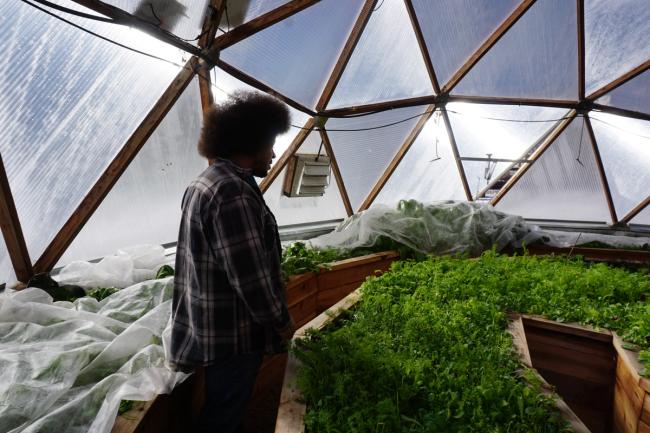
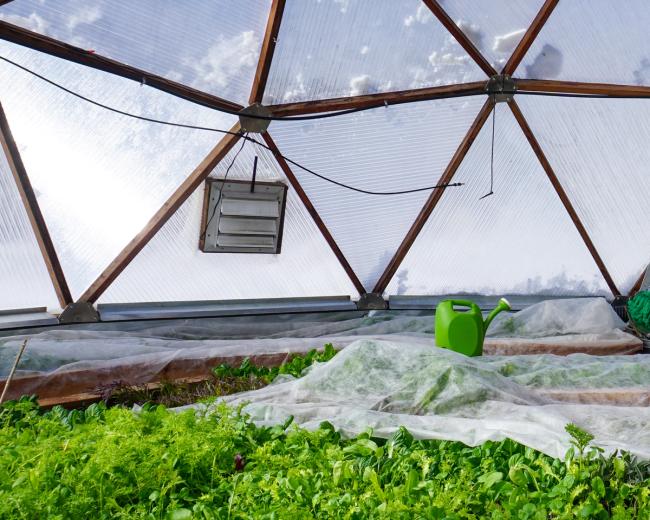
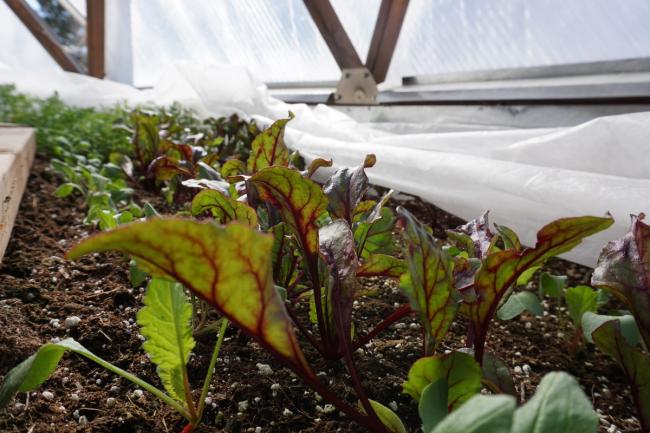
Before installing mechanical heat, many growers use low-tech protection methods such as row covers, frost blankets, or Walls of Water around individual plants. These tools create small insulated air pockets that reduce overnight stress without raising the temperature of the entire greenhouse.
Some growers heat only during the coldest stretches of the year. Others install thermostatically controlled backup systems for additional assurance.
Choosing the Right Type of Heat
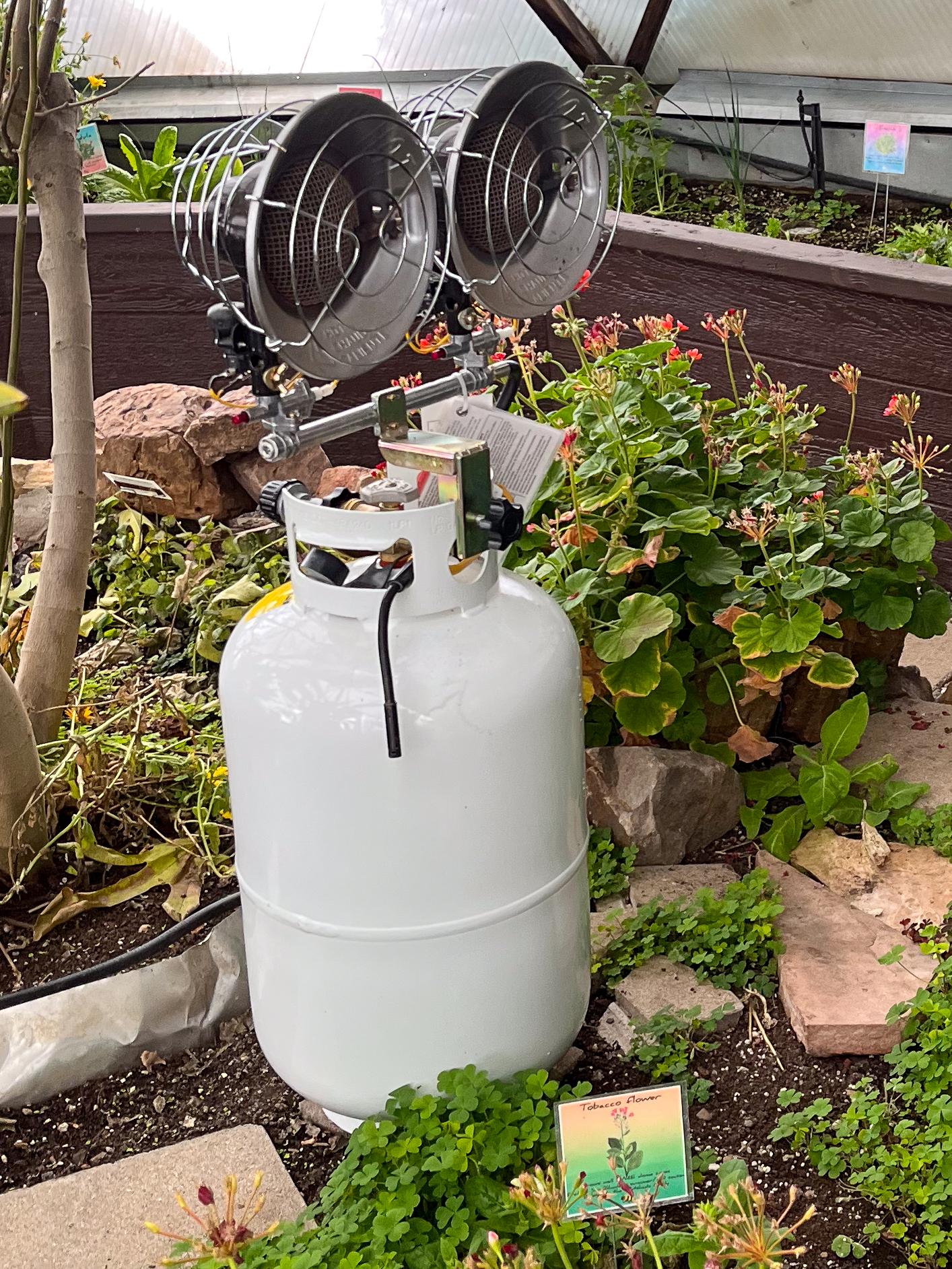
Heating systems influence humidity as well as temperature. Combustion-based heaters, such as propane, produce heat along with water vapor. The added moisture increases interior humidity and may contribute to condensation during cold weather.
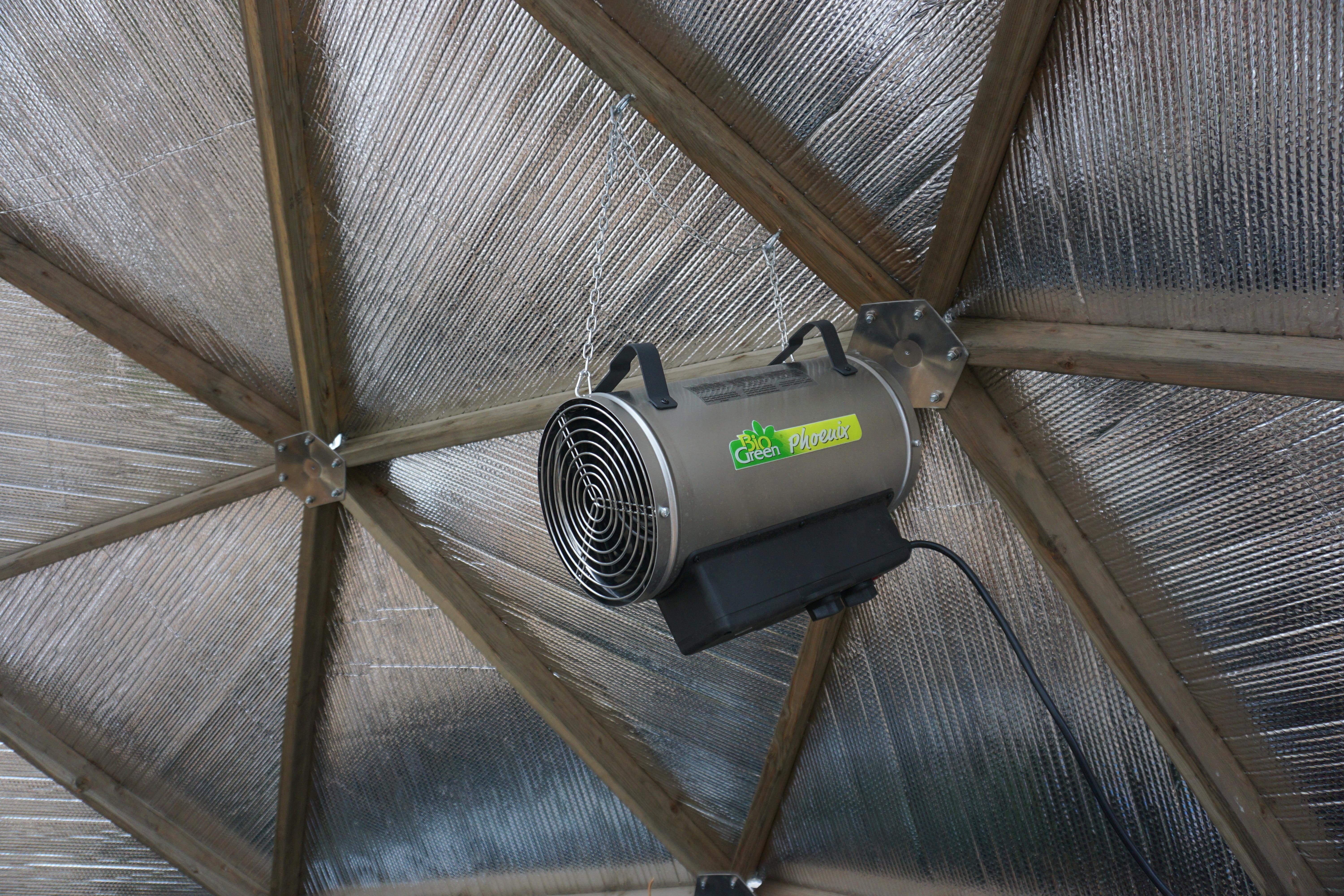
Electric heaters generate dry, non-combustion heat, warming the air without adding moisture. Wood stoves also provide relatively dry heat when properly installed and ventilated.
Balanced airflow and moisture control are essential parts of winter greenhouse management. Heating decisions are influenced by your crops, climate, and comfort level. For many growers, passive solar performance carries most of the winter load, with supplemental heat reserved for extreme conditions.
“I have a number of friends here in Pagosa Springs, Colorado, who have chosen not to heat their Growing Dome greenhouses. I have only heated my personal 22′ Growing Dome for one week in 15 years…” — Udgar Parsons, Growing Spaces Founder

“Today’s high was 21°F, and tonight will likely be in the minus teens… If we didn’t heat, the fig trees would survive… but all pond plants would die.” — Heather Gray, Growing Dome Gardener and Educator


What Thrives in a Winter Greenhouse
Winter favors resilient, cold-hardy crops. Most successful winter greenhouse vegetables are planted in late summer or early fall so they are established before cold weather arrives. Fast-growing greens can be planted later, while most plants benefit from strong root systems before daylight hours shorten. For more information about recommended timing for starts, check out our planting schedule.
Leafy Green
Lettuce, Arugula, Swiss Chard, Spinach, Tatsoi, Mâche (Corn Salad)
Brassicas
Bok Choy, Broccoli, Cauliflower, Kohlrabi, Brussels Sprouts, Cabbage, Collards, Kale, Mizuna, Mustard Greens
Roots
Turnips, Radishes, Carrots, Beets, Parsnips, Rutabaga
Herbs
Rosemary, Cilantro, Dill, Parsley, Sage, Thyme, Oregano
Alliums
Chives, Green Onions, Leeks
Others
Celery, Celeriac, Peas, Fennel, Strawberries

Winter Growing, Made Practical
Winter greenhouse gardening in a Growing Dome is about turning possibility into something dependable.
With passive solar design, thermal mass, proper winterizing, and crops suited to shorter days, the Growing Dome creates a stable environment where growing doesn’t stop when winter arrives. Snow adds insulation. Light drives the system. Heat, when needed, is used intentionally but not relied on.
The result is a greenhouse that supports steady harvests, lower energy use, and a year-round connection to fresh food, even in cold and snowy climates.

Curious how winter growing would look in your climate?
A Growing Spaces advisor can help you explore dome options and strategies tailored to your location and goals.