Quinoa: The Ancient “Inca Wheat” That Thrives in a Growing Dome

Growing Quinoa
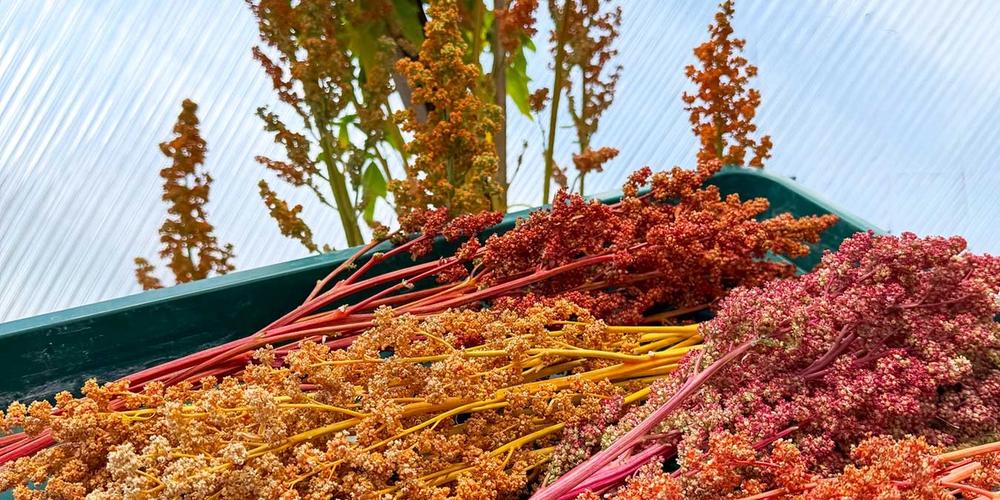
Interested in growing quinoa? Quinoa is an easy-to-grow crop that offers beautiful flowers, adds height, color, and texture to your garden or greenhouse.
- Family: Amaranthaceae
- Genus: Chenopodium
- Species: Chenopodium quinoa
- Common Name: Quinoa (pronounced KEEN-wah)
- Type: Herbaceous, annual, vegetable
- Light: Full sun, partial sun
- Soil pH: Acidic, neutral
- Soil: Well draining, sandy, loamy soil
- Zone: 4-10 (USDA) – Can be extended in a dome

Best Location in a Greenhouse
Quinoa, a highly nutritious grain-like crop, has specific requirements for successful growth, particularly concerning light and temperature.
Sunlight and Temperature Needs: Quinoa thrives best when provided with abundant sunlight, which is necessary for robust growth and seed development. However, it is equally important to protect the plant from excessive heat, especially during the flowering and grain-filling stages. Intense, high temperatures can severely damage the plant and significantly reduce seed production.

Optimal Placement: When selecting a location for growing quinoa, the goal is to balance the need for light with the need for heat mitigation. Avoid spots that receive harsh, direct midday sun. Particularly in hot climates, as this is when the sun’s intensity and heat are at their peak.
A location that offers bright morning and afternoon sun is ideal. In high-altitude or cooler regions, full-sun exposure might be tolerable. Gardeners in warmer, lower-altitude areas should prioritize afternoon shade to ensure the plants do not suffer from heat stress.
We typically plant this as a fall crop on the west side, allowing it to receive adequate light while avoiding summer overheating.
Planting Quinoa
Quinoa plants need 1 foot between plants and 1 to 2 feet between rows if you are planting rows. Try alternating rows in a zigzag pattern to maximize yields in a smaller space. Note: To yield a pound of seed suitable for cooking, you will need a minimum of 10 quinoa plants.
Begin with seeds two inches apart and plant them ¼ inch deep. When the seedlings are a few inches tall, thin them so there is a foot of space between each plant. Add them to your compost so you don’t feel guilty for pulling them!
In an unheated greenhouse, consider starting seeds in your home as they do not tolerate frost.
Since quinoa plants can reach a significant height, we recommend staking the plants as they grow to provide support for the weight of the flowers as the grain forms.
Caring and Maintenance
Light: Bright, sunny morning or afternoon light is best for quinoa.
Temperature: As a cool-weather crop, these plants prefer temperatures between 65-80°F. (Don’t we all?) Temperatures exceeding 95°F may inhibit plant growth and prevent the formation of seeds. They can tolerate temperatures down to 25 degrees.

Soil: It thrives in sandy, loamy, well-draining soil with a pH range of 6.0 to 8.5. Key soil characteristics include a high organic matter content. While quinoa typically doesn’t require fertilization during its growing season, we recommend soil testing prior to planting. Add soil amendments as needed.
Water: Keep quinoa seedlings consistently moist until they are well established. Do not allow the soil to become waterlogged. Once mature it is best to let the soil become somewhat dry and then water the plants thoroughly. Avoid watering when the seed heads are developing. This will help prevent the seeds from sprouting.
Pollination: Quinoa plants are predominantly self-pollinating (autogamous), a small degree of cross-pollination (allogamy) can occur, primarily by air movement, or occasionally by insects. This makes them perfectly suited for a greenhouse environment.
Companion Planting Tips
Quinoa pairs well with many companion plants. Good choices include basil, beans, corn, garlic, marigolds, mint, and nasturtium.
Basil helps add flavor to recipes and your garden! It can enhance the flavor of nearby plants, repels mosquitoes, attracts pollinators and has similar light needs as quinoa.

Marigolds and nasturtiums are staples in every garden as they deter pests and help quinoa to grow strong. Nasturtiums attract ladybugs, share the same soil and water requirements and are good trap crops.

Spinach can act as a ground cover and help keep weeds at bay. It has similar nutrient needs also and requires well drained soil like quinoa. However, planting too much spinach might also draw pests to quinoa.
Plants to Avoid Nearby
We advise against planting quinoa near other species within the Chenopodium family. For example: beets, sugar beets, chard and spinach. Plants of the same species often share susceptibility to similar pests and diseases. Planting them close together increases the risk of disease transmission and potential destruction from pests.
Beets and quinoa are heavy feeders and compete intensely for soil nutrients. This can lead to soil depletion, stunted growth, and reduced yields. Beets’ rapid early growth also allows their mature leaves to quickly shade and overpower young quinoa plants, blocking the sunlight they need to thrive.
Although quinoa and spinach are good companions, we recommend avoiding planting too much spinach nearby, as this can attract pests. Instead, interlace spinach with marigolds and nasturtiums near quinoa.
Managing Pests
Quinoa is a low-maintenance, resilient plant that thrives easily. Although not commonly targeted by a large number of greenhouse pests, quinoa is not completely pest resistant!
Aphids are unfortunately the scourge of many greenhouse gardeners. Regularly inspecting your greenhouse plants is crucial for early detection of pests, especially common ones like aphids. Look for tell-tale signs such as stunted growth, curled leaves, and yellowing or sticky leaves. Remember to pay close attention to the undersides of the leaves.

If you have a small aphid infestation, use a high pressure nozzle with a hose and spray them off your plants. For the next two weeks apply insecticidal soap weekly to the plants. Don’t forget to spray the underside of the leaves.
Effective pest control methods include planting trap crops like nasturtiums, introducing beneficial insects such as ladybugs and lacewings, and spraying the affected leaves with soapy water.

To protect the plants from slugs and snails, it is important to ensure the plants remain upright. We recommend using plant stakes or cages to encourage upright growth.
Managing Diseases
Proper plant spacing is key to preventing downy mildew, as it ensures adequate airflow, reducing the plants’ susceptibility to this and other diseases. Watering the plant’s base, rather than the foliage, is also an effective way to avoid mildew.
Keep an eye out for leaf miners, which leave brown trails on the foliage. While these pests usually don’t kill the plant, they can negatively affect the taste. If leaf miners are a concern, use row covers to prevent the females from laying their eggs on your plants.
Harvesting Quinoa
Once the quinoa stem has reached 10 inches, you can begin harvesting a few leaves at a time. While you won’t be consuming the leaves, this practice is beneficial as it helps prevent the plant from becoming too heavy and toppling over.
After the leaves have naturally fallen off, the seeds are ready for harvest. Cut the seed heads off to avoid re-seeding, or don’t, but know you will have quinoa for seasons to come. Gently shake the plant’s seed head and watch for seeds to fall out. Test fallen seeds for hardness. Be aware that wet conditions can cause the seeds to sprout or become moldy, rendering them inedible.

Another option to gather seeds is winnowing. This is the process of separating the seeds from the chaff; a process best done outdoors! Set up a fan with a tray below for catching quinoa seeds. Try the fan on low speed first and slowly sprinkle the seeds in front of the fan. The chaff or debris should blow away and the heavier seeds should fall into the tray.
Once harvested, wash seeds in water and then dry them thoroughly to help prevent mold. To ensure the seeds are ready for storage, they must be dry.

Alternatively, you can harvest the seed heads and hang them upside down in a cool, dark place to dry. Be sure to put a tub or tray beneath them to collect any seeds that fall. After drying, store the seeds for meals or save them to plant in the garden next season.
Preparing and Using Your Quinoa Harvest
Once your seeds are fully dried and cleaned, they are ready for the kitchen. Before cooking, rinse the seeds thoroughly under cool water using a fine mesh strainer. This helps remove any remaining saponins, the naturally occurring compounds that can cause a bitter taste if not washed away.

Quinoa cooks similarly to rice. Combine one part quinoa with two parts water or broth, bring to a boil, then reduce to a simmer and cook for about 15 minutes until the liquid is absorbed. Fluff with a fork and allow it to rest for a few minutes before serving.
Freshly harvested quinoa can be used in salads, grain bowls, soups, or as a hearty plant-based protein in main dishes. If you’re looking for inspiration, try using your harvest in our Best Vegan Taco Meat recipe, a flavorful way to turn greenhouse-grown quinoa into a satisfying, nutrient-dense meal.
The History of Quinoa
An ancient crop, quinoa is endemic to the Andes highlands, ranging from Colombia to southern Chile. It was domesticated multiple times 3,000–5,000 years ago. Quinoa was a staple food, alongside corn (maize) and potatoes, for pre-Columbian peoples like the Inca, Aymara, and Quechua.

Unlike maize and potatoes, quinoa was not introduced to Europe by early Spanish explorers. Perhaps it wasn’t favored due to its religious significance to Indigenous peoples. Another possibility is that it may have been tasted without first removing the saponins. Saponins are the bitter chemicals in the seeds that protect them against being eaten.
Later, foreign grains like wheat and barley were introduced, being less labor-intensive it caused quinoa production to decline. Until the late 20th century, it was mainly considered a marginal crop grown by poor subsistence farmers in Bolivia and Peru.
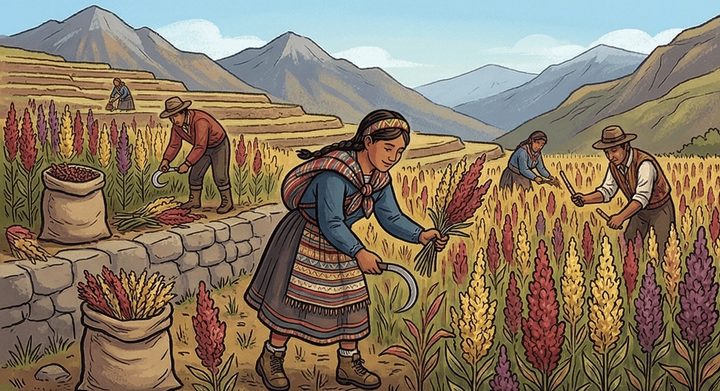
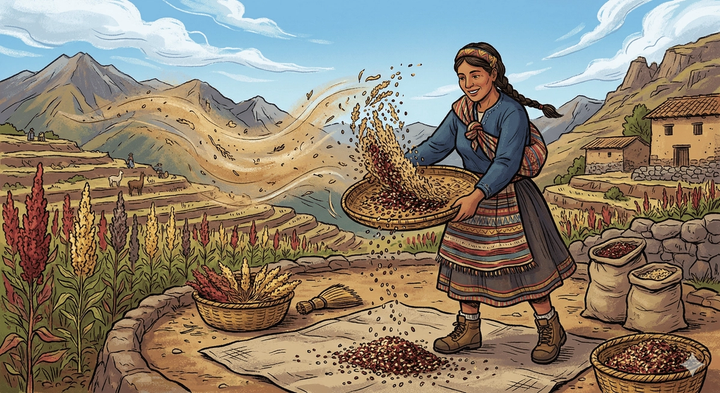
The majority of the world’s supply still originates from Peru and Bolivia. However, quinoa is also cultivated in the United States, Canada, Italy, Sweden, and India.
Quinoa Trivia
- Also known as kinwa or kinuwa by the Quechua, descendants of the Inca. Other names are Inca wheat and goosefoot.
- Did you know quinoa was almost completely destroyed as a species when the Conquistadors tried to eliminate the Incan culture? Fortunately, it is strong and survived in the mountains in Peru.
- The flowers are small and have no petals.
- NASA has considered growing quinoa in space for long-term missions!
- Did you know quinoa is gluten-free?
- 2013 was declared “the international year of quinoa” by the United Nations. As of 1980 only 8 countries were growing quinoa. By 1995 that number had grown to 95.
Health Benefits of Quinoa
Quinoa has gained “superfood” status due to its high nutritional value. Although many people view quinoa as a grain it is actually a pseudocereal. Basically it is a seed that cooks similar to a grain. It is also a “complete” protein, is high in fiber and B vitamins.
This pseudocereal is an excellent addition to any well-balanced diet, a choice often recommended by health professionals. It provides a boost of plant-based protein and whole grains. Consuming quinoa helps in strengthening bones and building muscle.


Another benefit is that it contains flavonoids, a powerful antioxidant. These compounds are believed to possess anti-inflammatory, anti-viral, and anti-cancer properties. Furthermore, the power of quinoa is amplified when it is sprouted!
We hope you enjoyed learning about quinoa and will try growing it in your greenhouse. Happy gardening!


Seasonal Growing Tips & Greenhouse Advice
Monthly stories from our greenhouses, Growing Dome spotlights, and other gardening content


Share This

I joined Growing Spaces in 2021 as a gardener and now work with the Marketing and Social Media department. Formerly I was a kindergarten teacher and then worked as a Gardener and Volunteer Coordinator at Maui Nui Botanical Gardens in Hawai'i. Since moving to Colorado I have worked in the veterinary field and have been involved in therapy dog work visiting hospitals, schools and libraries with a national therapy group. My previous dog and I also worked as a crisis response team helping those affected by crises or disasters and were deployed through Hope Animal-Assisted Crisis Response (Hope AACR). Muppet and Maple are my current therapy dogs and we visit the library and hospital here in Pagosa Springs. Muppet is also a crisis response canine with Hope AACR. Outside of working and volunteering, I love growing native plants, flowers, berries, herbs and veggies at home, photography, hiking, horseback with my husband and hanging out with our dogs.
View full bioDownloads
Featured Categories
Seasonal Growing Tips & Greenhouse Advice
Monthly stories from our greenhouses, Growing Dome spotlights, and other gardening content
Featured Stories


Growing Dome Photo Contest 2026


How the Growzebo™ Came to Life

Featured Products


Sign up for The Happy Grower Newsletter
Once a month: stories from our gardens, Growing Dome spotlights, and what's in season in Pagosa Springs.