Grow Better: Easy Seed Starting Tips for a Bountiful Garden

To ensure a thriving garden, whether in a traditional outdoor space, a greenhouse, or a Growing Dome, successful seed starting requires careful attention to three key environmental factors: moisture, light, and heat.

The Essential Trio for Successful Germination in Seed Starting
1. Moisture & Humidity
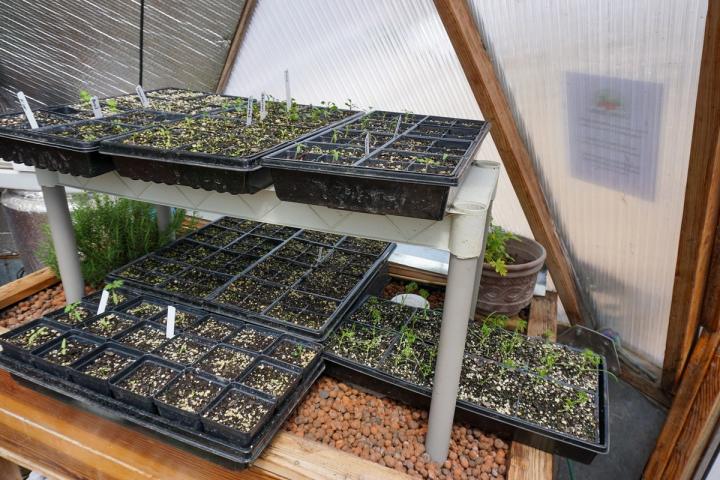
Seeds require consistently moist soil to break dormancy and begin germination. For seeds with thick coats, such as peas, pre-soaking is often recommended. Tools like propagation domes, with their clear covers, help by allowing light in while trapping essential moisture. Similarly, covering seed trays with plastic wrap can aid in moisture retention.
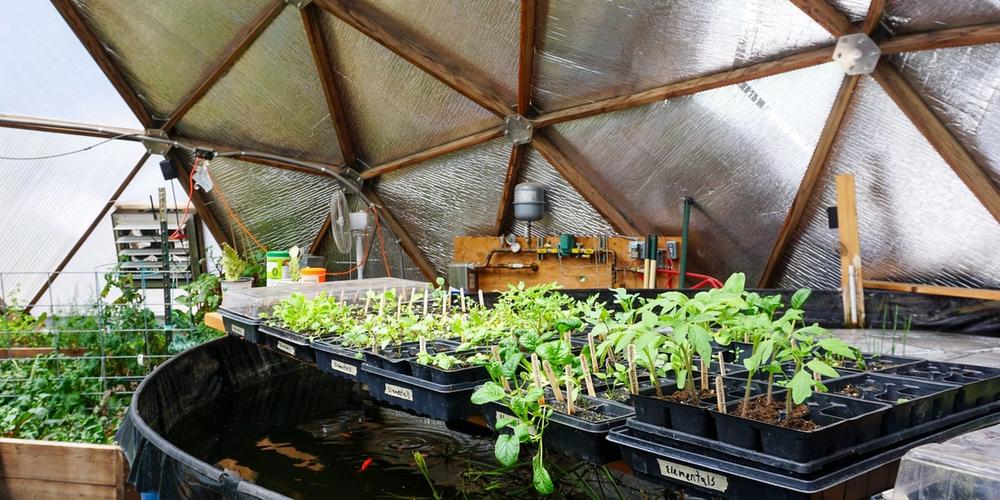
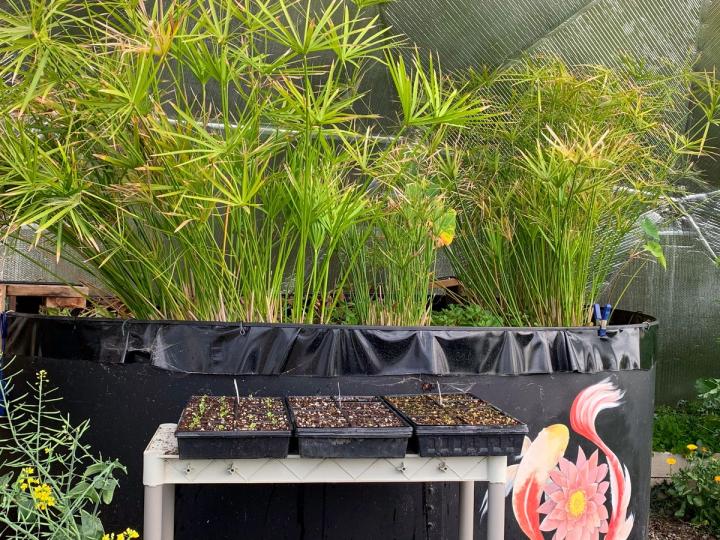
In a Growing Dome greenhouse, positioning seed starting trays near or atop the above-ground pond is ideal. This area offers the most stable temperatures and natural humidity.

While the soil must be moist, avoid making it soggy, and ensure the surface does not dry out. Misting the surface with a spray bottle is a gentle way to water, preventing the disruption of small seeds that can occur with more aggressive watering. Combine with watering from the bottom for a good initial soak after planting. Once seedlings emerge, the cover must be removed to provide good ventilation and prevent “damping off.” Introducing a small fan can also help strengthen stems and reduce the risk of mold or fungal infections.
2. Optimal Light for Seed Starting
While some seeds, like carrots, parsley, and cilantro, germinate best in darkness, all seedlings require light once sprouted. In our greenhouses, we have found that covering carrot seeds with cardboard promotes uniform germination. For outdoor planting in late spring, covering carrot seeds with frost cloth can help retain moisture and add warmth.
Inadequate light can cause seedlings to become “leggy.” Depending on local weather (cloud cover) and latitude (daylight hours), supplemental artificial light may be necessary, even in a Growing Dome. Seeds do not require intense light to germinate, but once they sprout, most need 12–16 hours of light per day.

3. Heat or Temperature Requirements
Most seeds need consistently warm soil, typically above 50ºF and often in the 60s, for successful germination. Use a soil thermometer to check the temperature. If a power source is available, heating pads beneath pots or trays can maintain the consistent, optimal warmth required for sprouting.
Planning Ahead: Starting Nightshades & Flowers from Seed
Most seed packets suggest starting nightshades (tomatoes and peppers) 6–8 weeks before the average last frost. However, commercial growers may start them 10–12 weeks prior. For gardeners, like myself, in Pagosa Springs who can’t safely plant outdoors until June 1st, starting nightshades in January or February under lights and with a heating pad is often necessary for an earlier harvest, since the season is so short outside of a greenhouse.

Commercial growers I know in Pagosa, who produce bedding plants and hanging baskets, typically receive plant starts from distributors as early as February for Mother’s Day sales in May. With the protected, regulated environment of a dome greenhouse, you can start your own flowers from seed to create beautiful hanging baskets for the summer. See our article on The Best Plants for Hanging Baskets.
Starting Seeds: Transplanting vs. Direct Sowing
Our most recommended technique is starting seeds in trays or containers for later transplanting. This method supports succession planting and crop rotation, allowing you to replace diseased or non-producing plants with a new start, or plant seedlings in the shade of existing crops during seasonal transitions (e.g., planting lettuce under tomatoes in the fall).
Conversely, some plants do not transplant well and are best direct-sown, meaning the seeds are planted directly into the garden bed where they will grow. Learn more in our guide on Transplanting Seedlings and Direct Sowing.

Additional Seed Starting Resources
With over 35 years of gardening experience in Growing Dome greenhouses, our blog is an extensive library of gardening tips and tricks. Here are a few more articles we’ve written about seed starting and growing in one of our greenhouses.
Propagation Techniques for Prolific Plants
Discusses asexual propagation methods (cuttings, layering, division, grafting) as alternatives to seed starting. Useful for preserving hybrid traits, saving money, and multiplying your favorite plants.
How to Start and Transplant Vegetables
Explains using transplanting to layer plant lifecycles, as a permaculture technique called "time stacking" to maximize yield. Notes that beets, broccoli, lettuce, tomatoes, and peppers transplant easily, while others (carrots, spinach, kale) need more care. Beans, corn, and squash are best direct-sown to prevent "transplant shock." Compares the advantages of climate-controlled starts versus hardier, less labor-intensive direct sowing.
Planting Seeds in October
An older article detailing October seed planting in a 15' Growing Dome, using both direct seeding and transplants. Covers soil amendment, starting cool-season crops in trays for succession planting, and practical advice like using plastic flats, managing peat pots, and strict sanitation to prevent diseases.
Growing Dome Greenhouse Planting Guide
Advice on transplanting seedlings into final locations based on greenhouse planting zones and microclimates. Cool-weather crops (leafy greens) thrive in the North and East Zones; warm-weather crops (tomatoes, peppers, melons) prefer the hotter South and West Zones, ideally near vents for airflow.

Starting your seeds indoors, especially within the controlled environment of a Growing Dome greenhouse, is a rewarding process that leads to a plentiful harvest. By expertly managing moisture/humidity, light, and heat, you ensure your young plants have the best possible start to break dormancy, thrive, and extend your productive gardening season throughout the year.
When seed starting is one job within a larger outdoor growing plan, compare protected-growing options for homesteads and small farms before choosing bed-level protection or a dedicated greenhouse.

Seasonal Growing Tips & Greenhouse Advice
Monthly stories from our greenhouses, Growing Dome spotlights, and other gardening content


Share This

Having lived in Pagosa since 2001, I’m very familiar with Growing Spaces and have been interested in their geodesic dome design since we moved here. I got my start in gardening in the challenging conditions that Pagosa has to offer. In a previous role with the Southwest Land Alliance, I was able to contribute my graphic design services to the Geothermal Greenhouse Project, which features these unique domes. When I’m not working, I’m camping and exploring with my husband and dog, or I may be found tinkering with new creative projects like knitting or picking the mandolin. I’ve worn a lot of hats over the years and am excited now, in the spring of 2024, to be joining the marketing team and supporting the Growing Spaces community.
View full bioDownloads
Featured Categories
Seasonal Growing Tips & Greenhouse Advice
Monthly stories from our greenhouses, Growing Dome spotlights, and other gardening content
Featured Stories


Growing Dome Photo Contest 2026


How the Growzebo™ Came to Life

Featured Products


Sign up for The Happy Grower Newsletter
Once a month: stories from our gardens, Growing Dome spotlights, and what's in season in Pagosa Springs.