The Best Plants for Hanging Baskets

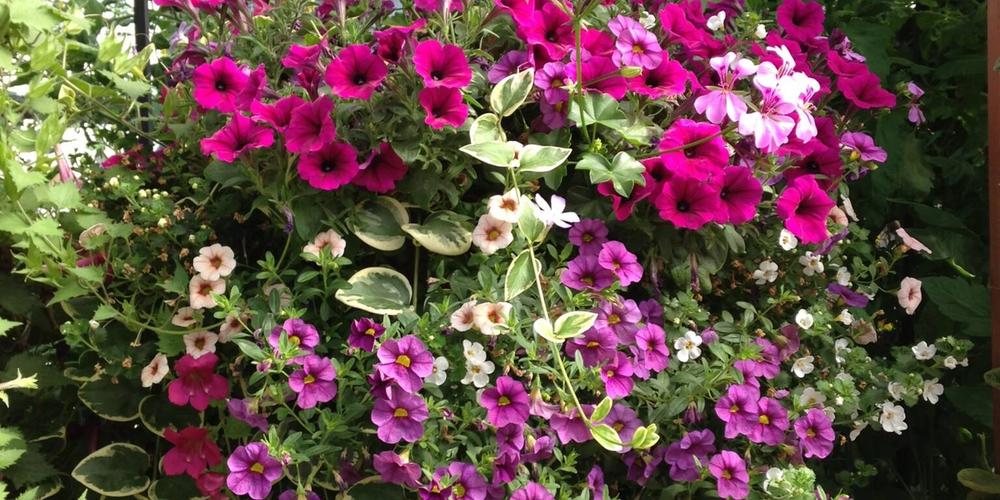
Hanging baskets are one way to offer shade to your raised beds and bring colorful beauty to your greenhouse. The design possibilities are plentiful. We recommend trailing plants in combination with upright plants. The sky is the limit!

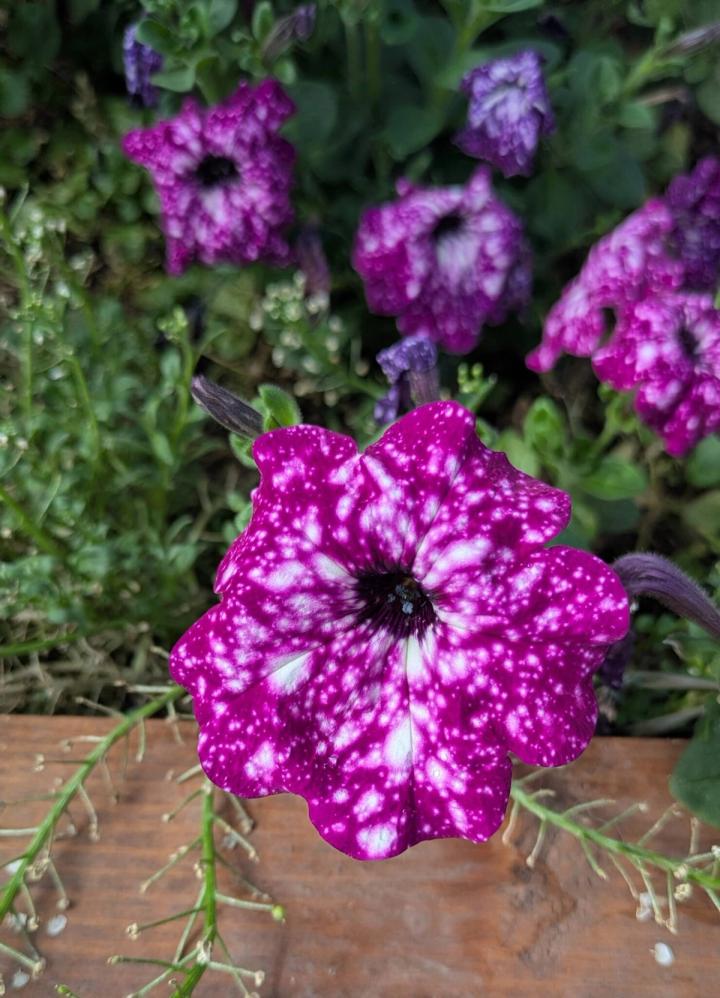
1. Petunia
- Family: Solanaceae
- Genus: Petunia
- Botanical Name: Petunia spp.
- Common Name: Petunia
- Soil pH: Slightly acidic to neutral
- Soil: Moist, well-draining
- Light: Full sun
Petunias come in a variety of types, including trailing or wave petunias. These are the most popular for hanging baskets. Plus there are so many wonderful colors!
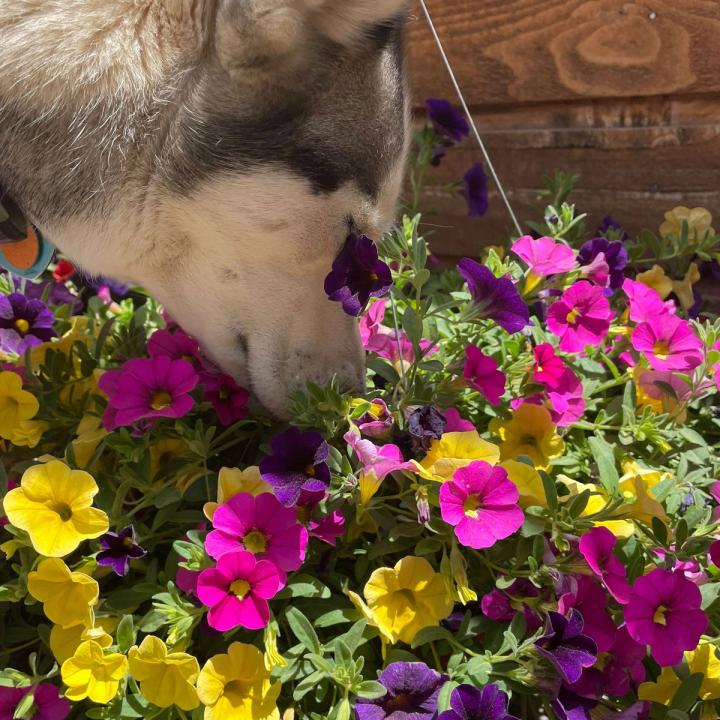
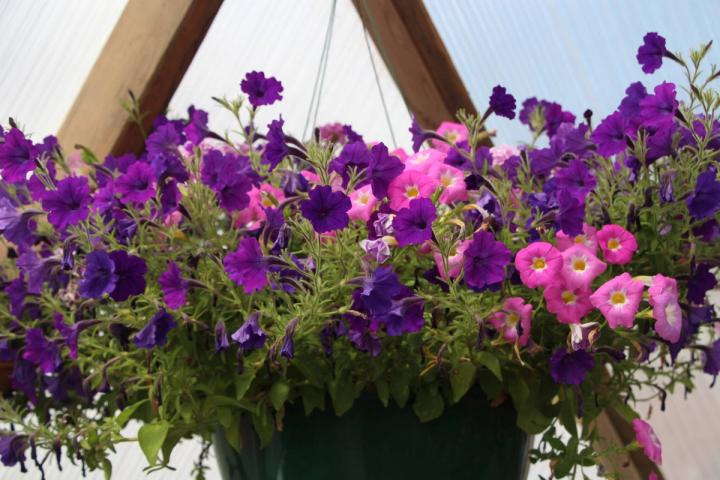
Plant height ranges from 6 to 18 inches. Plant spread ranges from 18 inches to four feet so plant accordingly.
Petunias require full sun and well-draining soil. If planted in raised beds or outside, water weekly. Plants in containers or hanging baskets need more frequent watering. Deep watering is preferred to prevent the plant from developing shallow roots.

Hanging baskets are exposed to air flow and may dry out quickly. Consider using a water-retaining potting soil or self-watering baskets.
Typically considered an annual, petunias may grow as perennials in Zones 9 to 11 and can thrive in your dome greenhouse throughout the fall and into winter.
Petunia varieties are mostly compared by flower size:
- Multiflora petunias tolerate wet weather better than other varieties and are very durable. Although the flowers are smaller, they are more abundant.
- Grandiflora are most often used in hanging baskets as they are sensitive to rain damage. They have large flowers, but do not tolerate the hot, humid summers of the south.
- Floribundas are medium-sized when compared to multiflora and grandiflora petunias.
- Milliflora are the smallest petunias on the market and the flowers are 1 to 1 ½ inches wide. They flower all season.
- Spreading or trailing petunias are low-growing and can spread to 3 to 4 feet. This makes them an ideal flower for beds or hanging baskets.
Petunias are fairly pest resistant, but keep an eye out for aphids and slugs. Consider adding beneficial insects and check under leaves for slugs.
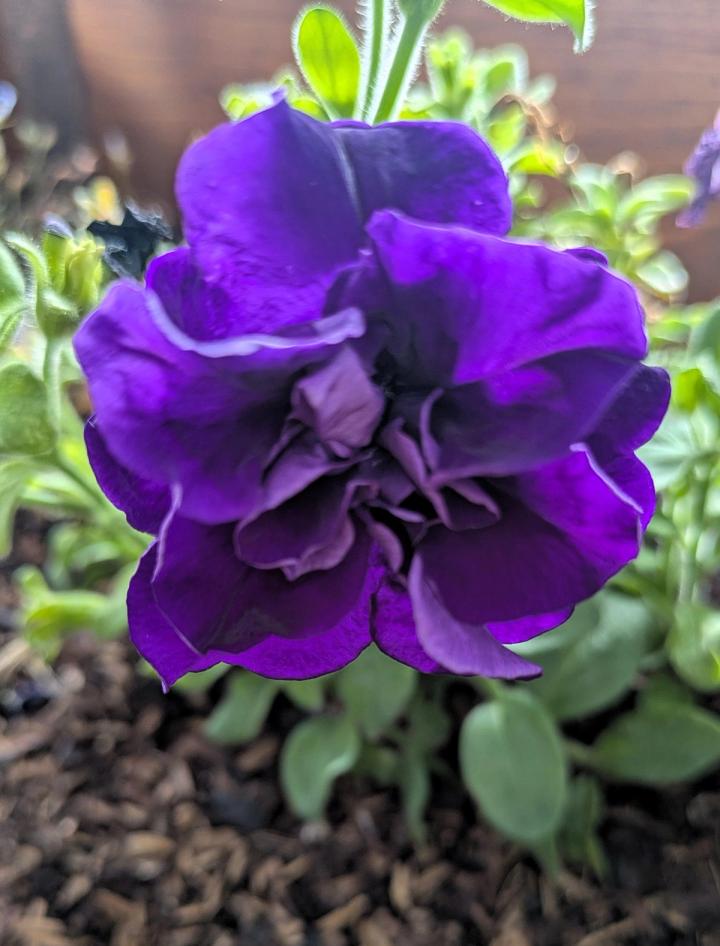
2. Viola
- Family: Violaceae
- Genus: Viola
- Botanical Name: Viola spp.
- Common Name: Viola, Pansy, Violet, Johnny-Jump-Ups
- Soil pH: Acidic
- Soil: Moist, well-draining
- Light: Full sun, part shade

In the wild these plants are woodland plants and live in the understory. They prefer cooler spring and fall weather over hot summers. Their natural environment is morning light and afternoon shade.
The viola genus spans three continents. In Europe and Asia the sweet violet (V. odorate) is native. In North America, violas grow along the East Coast, Central North America and along the West Coast.
Violas are mentioned in Greek mythology as well and other historical records for medicinal use and cosmetics.
In Midsummer Night’s Dream William Shakespeare wrote about the use of violas, aka “hearts ease”, in a tincture that was believed to heal a broken heart.
Violas are edible and the flowers have a sweet, mild flavor. Medicinally they were used to treat sore throats and digestive problems. There are many violet recipes on the internet!
As a cool loving plant, violas flower in cooler weather. They can continue to bloom in winter in some zones and in greenhouses. Violas prefer full sun or partial shade, but do not like the hot, afternoon sun.

Watch for snails, slugs and aphids. Check under leaves for snails and slugs and remove any dead leaf debris from around plants. Consider lady bugs or other beneficial insects to control aphids inside your greenhouse.
3. Pansy
- Family: Violaceae
- Genus: Viola
- Botanical Name: Viola x wittrockiana
- Common Name: Pansy, Viola, Violet
- Soil pH: Slightly acidic
- Soil: Rich, loamy, moist
- Light: Full sun, part shade

Pansies, violas, Johnny-jump-ups and violets are all in the genus Viola. They vary in size, but share the same growing requirements. Pansies are a hybrid species.
The name pansy is derived from the French word pansee, which means thoughtfulness and remembrance.
If you want to add color to hanging baskets and raised beds, pansies have a wide variety of colors. Pansies are edible! Add them to salads, desserts and in beverages. Have you ever tried making pansy crepes? Adding edible flowers to your recipes adds beauty to the meal!

Pansies are very hardy plants and easy for beginning gardeners. Enjoy adding these beauties to your garden!
4. Lobelia
- Family: Campanulaceae
- Genus: Lobelia
- Botanical Name: Lobelia erinus
- Common Name: Lobelia, Blue Lobelia, Indian Weed
- Soil pH: Acidic, neutral
- Soil: Moist, well-draining
- Light: Full sun, part shade
Note: Lobelia is toxic to people and pets.
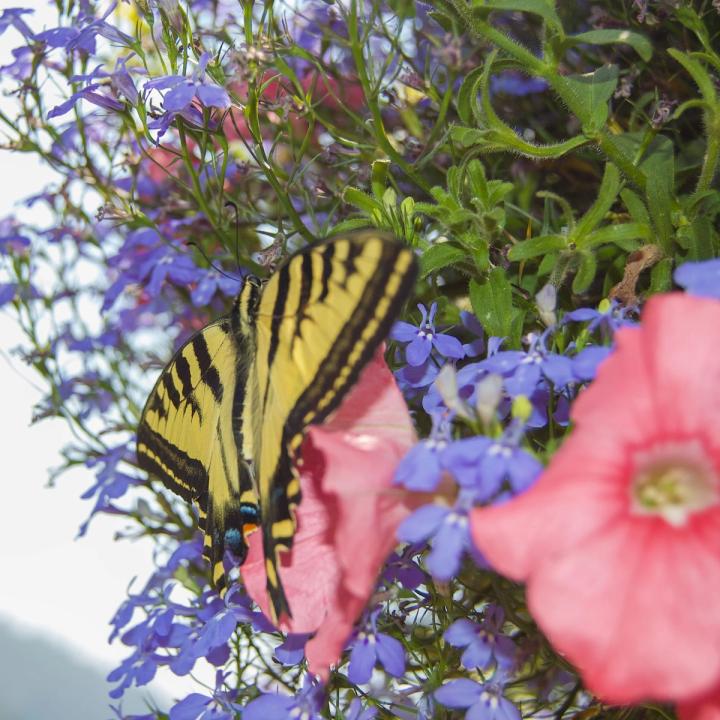
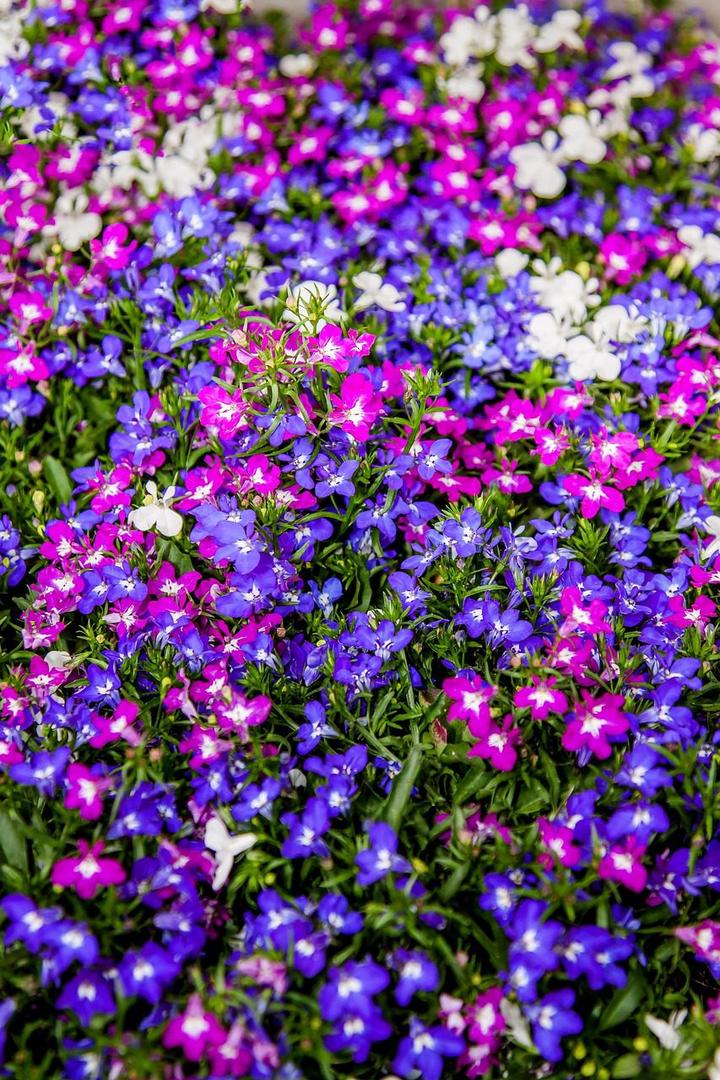
For adding color and pop to your greenhouse or garden it’s hard to top lobelia! Whether you choose blue, deep blue, red, pink, or purple, lobelia adds beauty to your garden. Trailing varieties are great for hanging baskets, and pollinators love them.

Lobelia prefers a rich, well-draining soil, full sun in the early part of the day and shade to protect it from the hot afternoon sun.
Pests can be a challenge in any garden and in greenhouses with their inviting atmosphere. Spider mites are the main pest to watch for on lobelia plants. If caught early, spraying your plants with water may be enough. For larger infestations, use insecticidal soap or diluted neem oil.
5. Statice
- Family: Plumbaginaceae
- Genus: Limonium
- Botanical Name: Limonium sinuatum
- Common Name: Statice, Sea Lavender, Marsh Rosemary
- Soil pH: Acid, alkaline, neutral
- Soil: Fertile, sandy loam
- Light: Full sun
It is easy to see why statice is a staple for hobby gardeners and professional florists. Its “papery” texture and ability to retain color long after being cut make it almost unrivaled in the world of dried florals.

Statice plants are native in many areas of the world. The majority are found in the Mediterranean basin, the Canary Islands and Central Asia. They thrive along the Mediterranean Coast, handling the salt air and sea spray with ease.
Although statice was once used medicinally, its main use now is in cut flower or dried flower arrangements.
This is another easy plant to grow in your greenhouse or garden. One of the benefits is that statice grows well in a variety of soils, including rocky soil and high salinity. Statice is also drought tolerant and deer resistant.
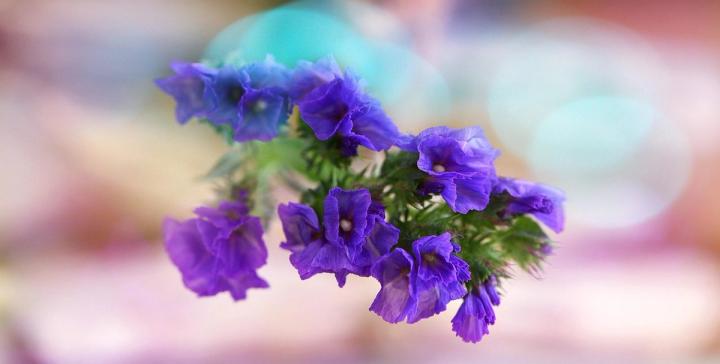
The best light for statice plants is 6-8 hours of early sunlight. If in the hot afternoon sun their color is not as vibrant.

Statice is a popular cut-and-come-again plant, meaning you can take cuttings for flower arrangements throughout the season and it will continue to grow and bloom.
Mealybugs and spider mites are the main pests that attack statice. Lacewings are a beneficial insect to help keep them in check. Some pests can be removed with a strong stream of water.
Fungal diseases can be an issue if the soil is not well-draining. Statice is drought tolerant. Overwatering can create problems. Check the soil prior to watering; if it’s moist, allow the soil to dry before watering.
6. Verbena
- Family: Verbenaceae
- Genus: Verbena
- Botanical Name: Verbena x hybrida
- Common Name: Verbena, Vervain
- Soil pH: Acidic, neutral
- Soil: Moist, well-draining
- Light: Full
Note: Some types of verbena, such as lemon verbena, are toxic to pets.
Verbena is a beautiful and versatile plant. It can grow as a clumping plant or a ground cover and comes in a variety of colors. Some varieties can grow up to 6 feet tall so check those stats before you buy!

Another name for verbena is vervain. In the pre-Christian era it was known as Isis’ Tears and Hera’s Tears. Many species are native to the Americas and Asia, however the most common species is native to Europe.
The uses of verbena are legendary. The Shawnee used verbena to foster visions that were favorable. In the Christian era legend has it that verbena was used to staunch the wound of Christ at the Crucifixion and in the Middle Ages verbena leaves were carried into battle to protect the wearer against enemies.
History shows that verbena has also been used as an essential oil due to its lemon scent and flavor.

Verbena needs full sun and regular watering. Moist, well-draining soil is best. Check the soil with your finger to be sure it is not soggy.
Keeping tabs on your plants will help to avoid some of the common problems. Verbena plants are susceptible to powdery mildew. Watering at ground level or under the leaves in hanging baskets can help to prevent them from powdery mildew.
Verbena is also susceptible to aphids, mites, thrips and scale insects. Beneficial insects and/or insecticidal soaps are a couple of control methods.
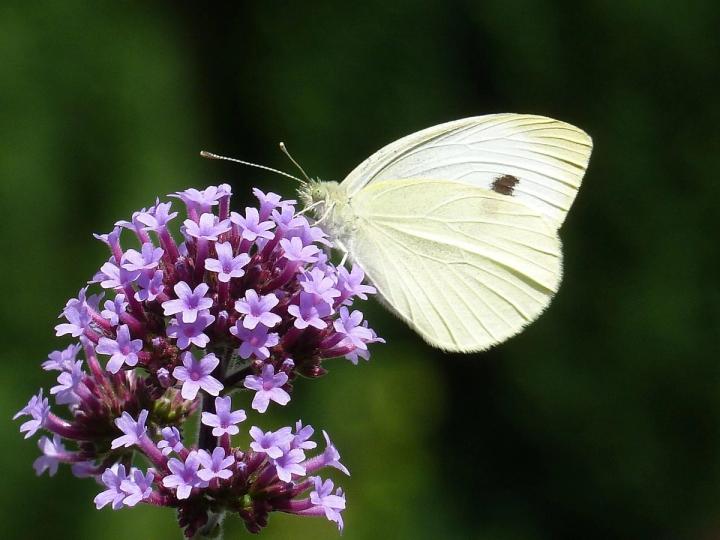
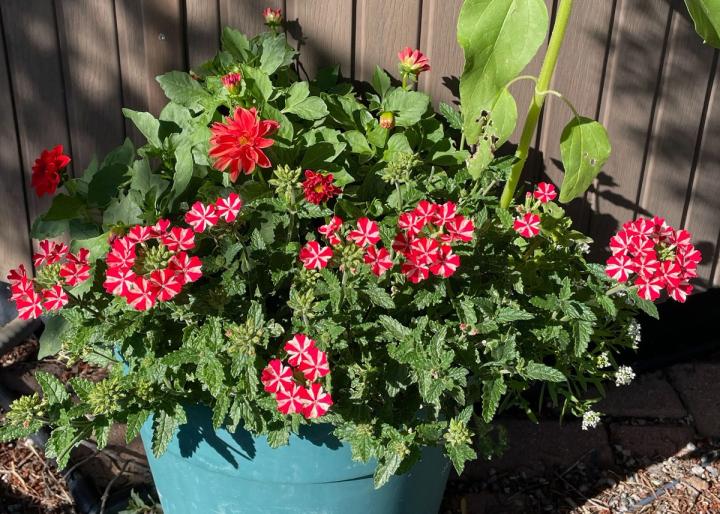
Not only are verbena beautiful, but they are drought tolerant, deer and rabbit resistant as well as low maintenance. Perfect for garden beds and hanging baskets.
We hope you enjoyed this information on hanging basket plants. Send us photos of your hanging basket creations! Watch for the plant of the month in our newsletter!

Seasonal Growing Tips & Greenhouse Advice
Monthly stories from our greenhouses, Growing Dome spotlights, and other gardening content


Share This

I joined Growing Spaces in 2021 as a gardener and now work with the Marketing and Social Media department. Formerly I was a kindergarten teacher and then worked as a Gardener and Volunteer Coordinator at Maui Nui Botanical Gardens in Hawai'i. Since moving to Colorado I have worked in the veterinary field and have been involved in therapy dog work visiting hospitals, schools and libraries with a national therapy group. My previous dog and I also worked as a crisis response team helping those affected by crises or disasters and were deployed through Hope Animal-Assisted Crisis Response (Hope AACR). Muppet and Maple are my current therapy dogs and we visit the library and hospital here in Pagosa Springs. Muppet is also a crisis response canine with Hope AACR. Outside of working and volunteering, I love growing native plants, flowers, berries, herbs and veggies at home, photography, hiking, horseback with my husband and hanging out with our dogs.
View full bioDownloads
Featured Categories
Seasonal Growing Tips & Greenhouse Advice
Monthly stories from our greenhouses, Growing Dome spotlights, and other gardening content
Featured Stories


Growing Dome Photo Contest 2026


How the Growzebo™ Came to Life

Featured Products


Sign up for The Happy Grower Newsletter
Once a month: stories from our gardens, Growing Dome spotlights, and what's in season in Pagosa Springs.