How to Start and Transplant Vegetables


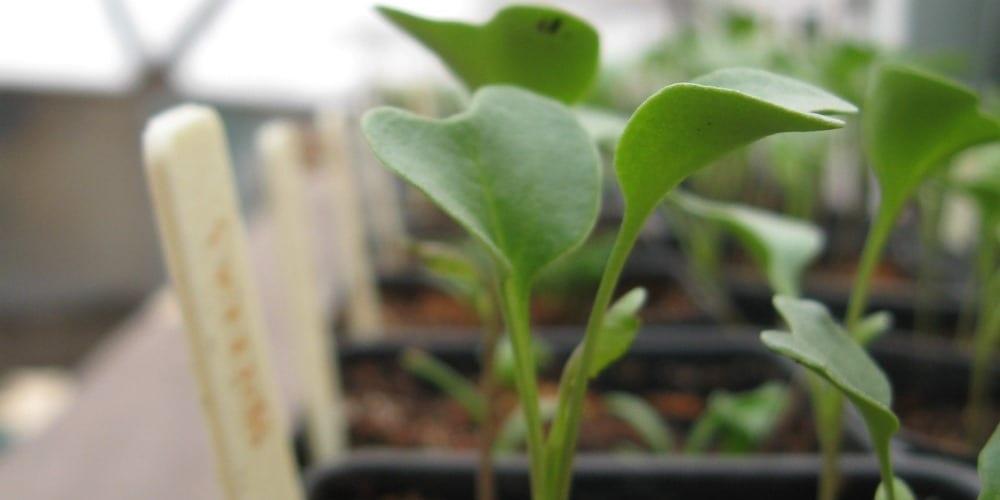
To maximize yield in the Growing Dome it is helpful to start some vegetable crops outside of the raised beds in pots, trays, or containers while you are still harvesting mature crops from the raised beds. These “starts” can then be transplanted into the raised beds once the mature crops have been exhausted. This is a permaculture technique called “time stacking” and is a great way to reduce or eliminate gaps in harvest from your Growing Dome. Transplanting vegetables can yield a harvest earlier than sowing seeds directly because you can start them before you have bare soil. Not all vegetable plants can be transplanted, so it is important to plan your garden appropriately, saving space for sowing seeds directly into the beds and starting the appropriate plants in pots or flats. In this quick guide, we outline which plants work best for transplanting and which don’t.
Vegetables That Easily Survive Transplanting
- Beets
- Broccoli
- Cabbage
- Chard
- Collards
- Lettuce
- Strawberries
- Eggplant*
- Peppers*
- Tomatoes*
*If planting outside in most temperate climates, these plants will need to be started indoors and then transplanted outside.
Vegetables That Require Care in Transplanting
- Carrots
- Kale
- Kohlrabi
- Spinach
- Parsley
- Mustards
- Watermelon does better than other melons generally.
- Celery*
*Transplanting is recommended where the growing season is long because celery is very slow-growing.
Vegetables That are Difficult to Transplant/Not Recommended
- Beans
- Corn
- Okra
- Peas
- Turnips
- Cucumbers*
- Squash*
- Cantaloupe and other melons*
*Most of these plants will not perish upon transplant, but will experience transplant shock. Transplant shock occurs when moved plants do not put on any growth for a significant period of time after transplant. Although the plants will eventually come out of transplant shock and resume growth, more vigorous plants are often direct seeded. Starting these plants from seed allows them to produce a larger root system, put on more vegetative growth and eventually produce more fruit. Significant savings in cost and effort also comes with direct seeding these crops (transplants are expensive to buy and it takes more time and resources to grow and move your own starts).
Transplanting Vegetables
Advantages
- Can control climate.
- Season extension.
- Easy to manage and monitor seedlings intensively.
- Rapid crop succession in garden.
- Developed fibrous roots take up a lot of nutrients and moisture.
- Seed and resource efficiency.
- Protection of emerging plants from large pests like crickets or pill bugs.
Disadvantages
- Costs including infrastructure, containers and soil.
- Increased labor and skill needed.
- Not practical for all crops.
- More total days of growth.
- Concentrated density of a lot of seedlings of the same type may increase risk of crop damage and loss due to pests and pathogens.
- Higher reliance on nonrenewable resources and materials.
Direct Sow
Advantages
- Good for tap root crops such as beets and turnips.
- More effective at larger scale.
- Often heightens hardiness.
- Less time to grow.
- Decreased labor and materials.
- Variety of seeding techniques to choose from.
Disadvantages
- Subject to weather and growing season.
- Often needs thinning (some seed waste).
- Inconsistent germination.
- Crop failure risk associated with temperature and weather events.
- Localized climate challenges.
- Crop variety limitations.
A note about using peat pots for starting plants in dry climates: Although peat pots can be a good resource in certain places, depending on the renewability of the peat resource (never go for high mountain peat as it’s not sustainable) peat pots used in transplant can cause water retention and capture issues if not removed before placing a young plant in the garden. In a dry climate, peat pots do not decompose quickly and can in fact wick water away from plant roots growing inside. A peat pot also creates a soil texture interface that, depending on watering method, may cause water to go around the plant itself instead of reaching roots.
Looking for more tips like this? Visit our Greenhouse Gardening Best Practices page for proven techniques to improve soil, yield, and overall plant health in a greenhouse.

Seasonal Growing Tips & Greenhouse Advice
Monthly stories from our greenhouses, Growing Dome spotlights, and other gardening content


Share This

This byline marks posts written collectively by Growing Spaces staff where no single contributor is the primary author. Growing Spaces has designed and built geodesic Growing Dome greenhouses from Pagosa Springs, Colorado since 1989, with more than 2,000 installations across 50 states and 14 countries. Posts under this byline draw on shared expertise from the team: gardeners working the production trial domes, design and engineering staff, installation crews working on customer sites, and customer experience staff who walk owners through configuration and long-term operation. When a post belongs under one person's name, it carries that person's byline instead.
View full bioDownloads
Featured Categories
Seasonal Growing Tips & Greenhouse Advice
Monthly stories from our greenhouses, Growing Dome spotlights, and other gardening content
Featured Stories


The Best Plants for Hanging Baskets


Featured Products


Sign up for The Happy Grower Newsletter
Once a month: stories from our gardens, Growing Dome spotlights, and what's in season in Pagosa Springs.