




Adding Soil to Your Garden Beds
Soil is the foundation of every successful garden. When it’s built with care, it supports strong roots, balanced moisture, and healthy plant growth over time. When it’s rushed or poorly layered, even the best greenhouse can struggle.
Whether you’re filling brand-new Growing Dome® beds or refreshing existing ones, understanding how to add soil correctly will set your garden up for long-term success. This guide breaks down each layer of the bed and explains how to choose and source soil that supports living, resilient plants.

Why Soil Health Matters
Healthy soil isn’t just “dirt.” Soil is alive. It contains organic matter, microbes, fungi, insects, and nutrients working together to support plant growth.
If your soil is thriving, your garden will thrive.
Before filling your Growing Dome® beds, it’s important to understand the basic components of good soil. If you’re already well-versed in soil health, feel free to skip ahead. Otherwise, this foundation will help ensure success from the start.
Filling Your Raised Garden Beds
Drainage Comes First
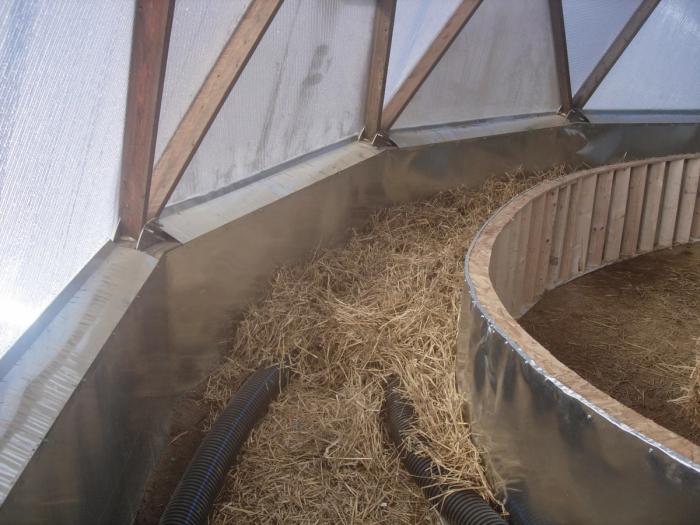
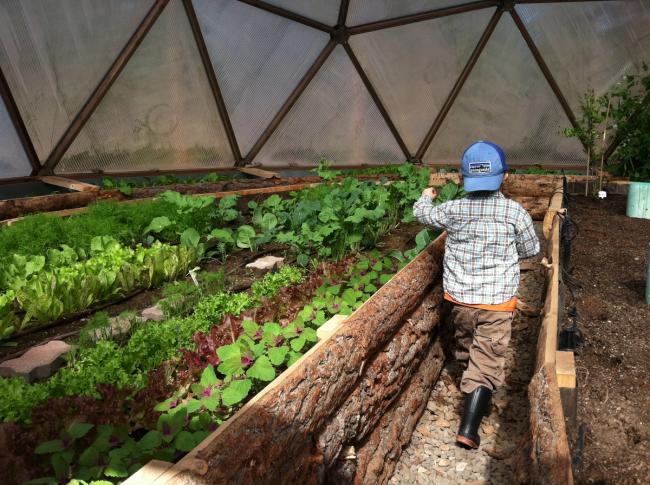
The bottom 6 inches of your Growing Dome garden beds are dedicated to drainage and airflow. This layer manages excess moisture and supports soil respiration, not active plant growth.
Because Growing Dome raised beds are approximately 24 inches (2 feet) tall, the roots of most garden plants will not reach this depth. This allows flexibility in material choice without impacting plant health.
Materials commonly used in this drainage layer include mulch, straw, branches or logs, gravel, and lower-quality or minimally amended soil. Corrugated undersoil system tubing should rest within this section, supported by the drainage material. If desired, line the ground level with hardware cloth or landscape fabric to help prevent pests or weeds.
Organic materials can reduce initial costs but will decompose over time, causing the soil level to settle, may create a breeding ground for decomposers not desired in a greenhouse, and require periodic topping off.
Gravel provides long-term drainage and adds thermal mass, but rocks can mix into soil if beds are ever fully turned and may influence temperature regulation.

How Much Soil Do You Need?
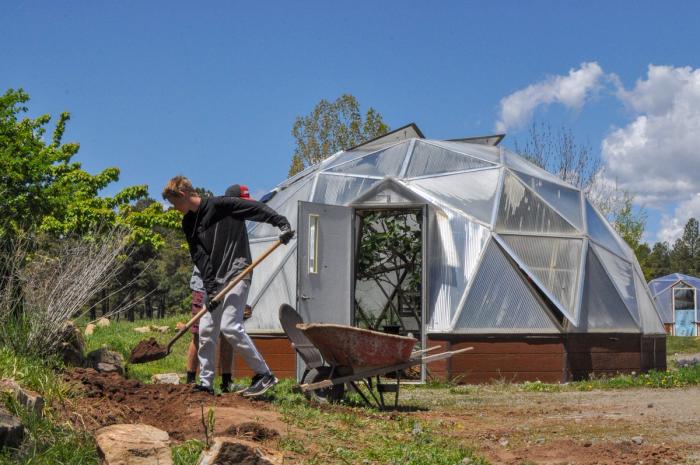
Soil volume varies by Growing Dome® size and raised bed layout, but average estimates are:
- 15′ Dome: ~6 cubic yards
- 18′ Dome: ~9 cubic yards
- 22′ Dome: ~16 cubic yards
- 26′ Dome: ~22 cubic yards
- 33′ Dome: ~30 cubic yards
- 42′ Dome: ~45 cubic yards
Sourcing Your Soil
Where your soil comes from matters just as much as how you layer it. Because this soil will support food production, it’s important to understand its origin, quality, and potential contaminants. There is no single “right” source. Each option has tradeoffs depending on budget, access, and location.
Option 1: Use Soil From Your Property
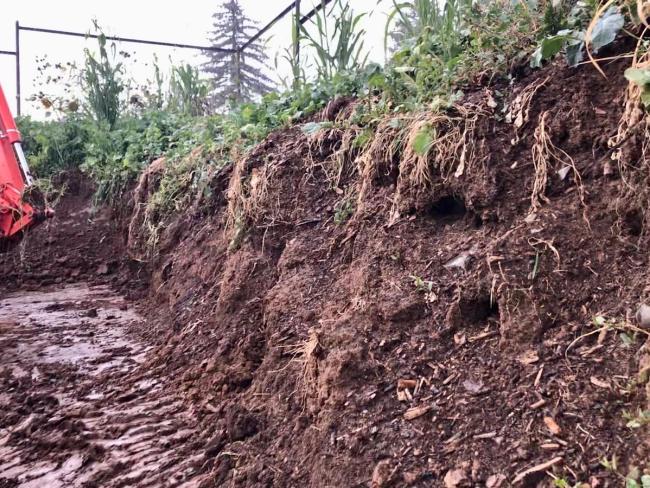
Using soil from your own land can be a practical and cost-effective option, provided the soil is healthy and uncontaminated. True soil contains organic matter and visible signs of life, such as worms or microbial activity.
Before harvesting soil from your property, consider the following:
- Are plants currently growing there healthy?
- Does the area receive runoff from roads or driveways?
- Is the soil near a manufacturing site, waste area, or treated field?
- Has the land been exposed to herbicides or pesticides?
- Are invasive weeds present?
Most weeds can be managed once soil is in your beds, but bindweed and thistle (common in parts of the Southwest) should be avoided whenever possible due to their aggressive growth and persistence.
Option 2: Improve or Amend Existing Soil
If your property contains mostly dirt or low-quality soil, it can often be improved over time. Soil that shows little to no biological activity benefits from gradual amendment rather than complete replacement.
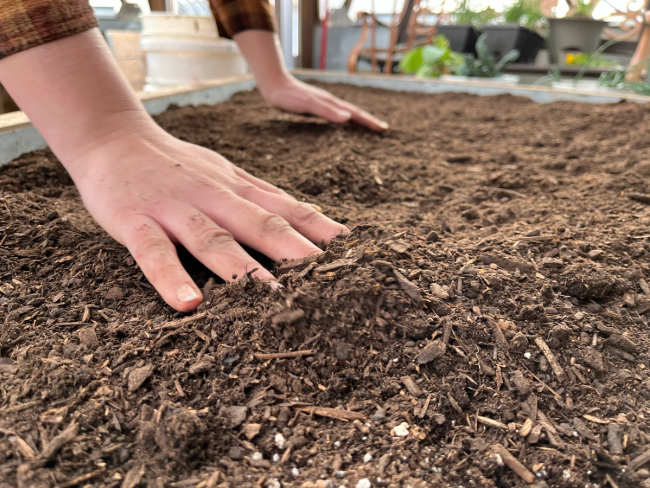
When first filling your Growing Dome® beds, existing soil can be blended with compost or composted manure to improve structure and fertility. Start conservatively and observe how the soil responds over time. The goal is to create soil that drains well, holds moisture, and supports microbial life—without becoming overly rich too quickly.
Always use fully composted, food-safe materials from known sources.
Option 3: Purchase Topsoil in Bulk
If you don’t have access to quality soil on your property, purchasing topsoil in bulk can be an efficient and sustainable option. Buying locally also helps reduce transportation impacts.
Before purchasing, ask suppliers:
- Where the soil came from
- What materials are included
- Whether the soil has been screened or treated
If possible, request a sample and test the pH before committing to a large order.
Bulk topsoil can often be sourced through landscaping companies, garden centers, compost facilities, or local universities.
Option 4: Buy Bagged Soil
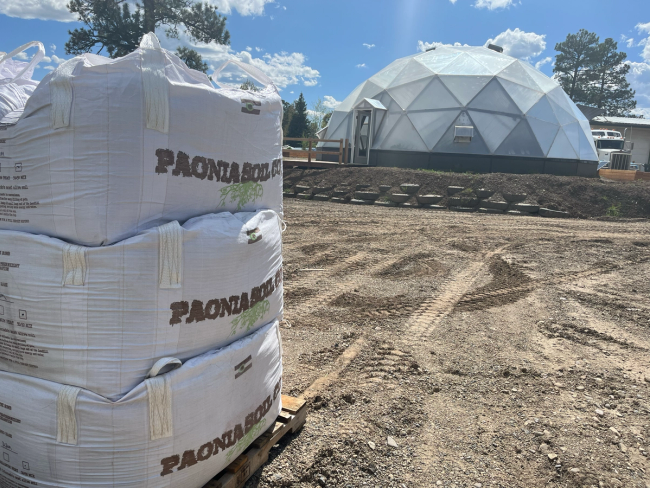
Bagged soil offers consistency and convenience, making it a reliable option for those who want a straightforward solution. While typically more expensive and less economical for large volumes, bagged soil allows you to start with a known product.
There are a few tried and true companies that we recommend for soil, including Paonia Soil, A1 Organics, Build a Soil, and more.
A Note on Long-Term Soil Health
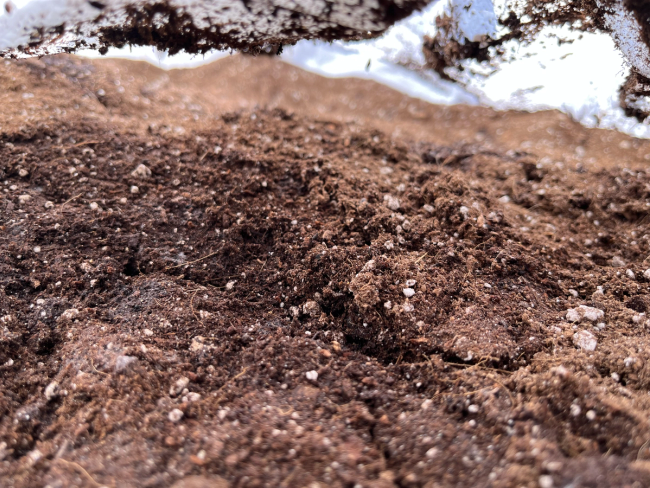
No matter which sourcing option you choose, soil health is not static. Over time, organic matter breaks down, nutrients are used, and soil structure changes. Periodic observation, testing, and light amendment are normal parts of maintaining productive garden beds.