How to Thin Crowded Seedlings

Thinning Out Your Vegetable Seedlings for Optimal Growth
How to Thin Seedlings for Optimal Growth
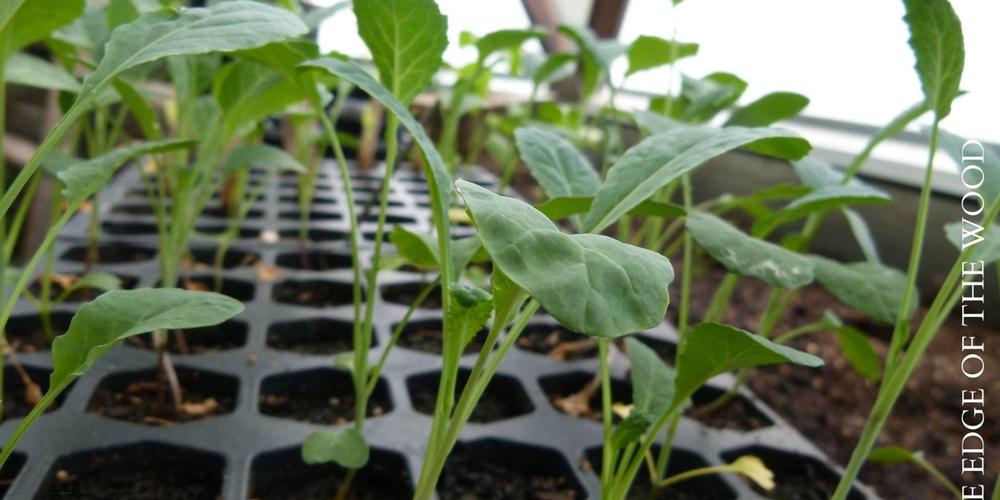
Many seedlings grow quickly in the spring when the days get longer. Thinning seedlings is a necessity but can become slightly more difficult if you overseeded or if your old seed packets had a higher germination rate than you were expecting. In any case, overcrowding is common and seedlings will almost always benefit from careful thinning.
Thinning your seedlings is the best way to solve overcrowding, which can cause our plants to grow much slower and end up weaker. However, thinning your seedlings can be easy to forget when your garden is bustling in the spring.
It’s true that the strongest will out-compete their neighbors, but they will expend a lot of energy doing it, and you will see the results of this at harvest.

Crowded Seedlings
When to thin seedlings
The earlier you thin your sprouts, the better. When your seedlings are young, their roots are very small, and you won’t be as likely to disturb the roots of the plants you choose to keep.
I usually begin gently pulling the seedlings shortly after they have sprouted. If the sprouts are crowded or more mature, with a set of true leaves, cutting or pinching them off at ground level is a safe way to keep your chosen plants healthy and prevent roots from being disturbed.
Picking the strongest seedling
If there are many seedlings in one area, it is best to choose the most prominent and strongest looking ones to keep as they likely have the best genetics and will give you the most bountiful plants.
The distance to create between remaining plants is dependent on the plant you are growing and when you intend to harvest. If you harvest plants when they are young, as in many root vegetables or lettuces, they do not need as much space.

I typically envision the full-grown plant and create as much space as needed for it to fill in. This is because the root system generally reflects upper growth in mass (i.e. as above, see below). The more space they have without competition, the more they will thrive when they mature. This will make your plants less likely to flower early, experience disease or pest problems, or need constant water and nutrients. Air circulation through plants and proper spacing is also important in indoor growing conditions for your garden’s long-term health. We’ve spoken and written about this in videos and articles like Aphids and Fungal infections.
Transplanting extra seedlings
There are some instances when your extra seedlings can be transplanted elsewhere if carefully pulled or separated from another area. Tomatoes, onions, chives, several herbs, including most things in the mint family, most vining vegetables and flowers are some examples of hardier plants that are more likely to succeed after having their roots disturbed in such a way.
Most vegetables should not be replanted as they will never thrive because of this early stress.

We recommend transplanting from trays for many indoor crops as this will give you greater ability to choose the strongest and space them accordingly. It also gives your starts a more protected environment to mature to the point of greater strength before subjecting them to colder outer beds, or pests, or whatever other adversities await them in your garden.
As always, we wish you the greatest gardening success and look forward to supporting you in achieving your Growing Dome gardening goals.

Seasonal Growing Tips & Greenhouse Advice
Monthly stories from our greenhouses, Growing Dome spotlights, and other gardening content


Share This

Kenzie was Marketing Director at Growing Spaces from 2019 to 2024. Her favorite part of the job was telling customer stories through the featured dome articles, connecting with people through storytelling and seeing how differently they used their greenhouses. She studied marketing at Eastern Illinois University and continues to work in marketing, with a focus on SEO-driven content, email, paid media, and demand generation. Outside of work she's usually skiing or otherwise out enjoying Colorado.I studied marketing at Eastern Illinois University and have began working as the Marketing Director at Growing Spaces in May 2019. What I love most about my job is getting to tell the stories of our customers in our featured dome articles. It’s all about connecting through storytelling, and it’s pretty cool to see all the different ways people use our greenhouses.
View full bioDownloads
Featured Categories
Seasonal Growing Tips & Greenhouse Advice
Monthly stories from our greenhouses, Growing Dome spotlights, and other gardening content
Featured Stories


Sowing Winter Crops in the Growing Dome

Sowing Seeds for Your Winter Crop

Seed Germination In Your Growing Dome®


How to Start and Transplant Vegetables

Featured Products


Sign up for The Happy Grower Newsletter
Once a month: stories from our gardens, Growing Dome spotlights, and what's in season in Pagosa Springs.