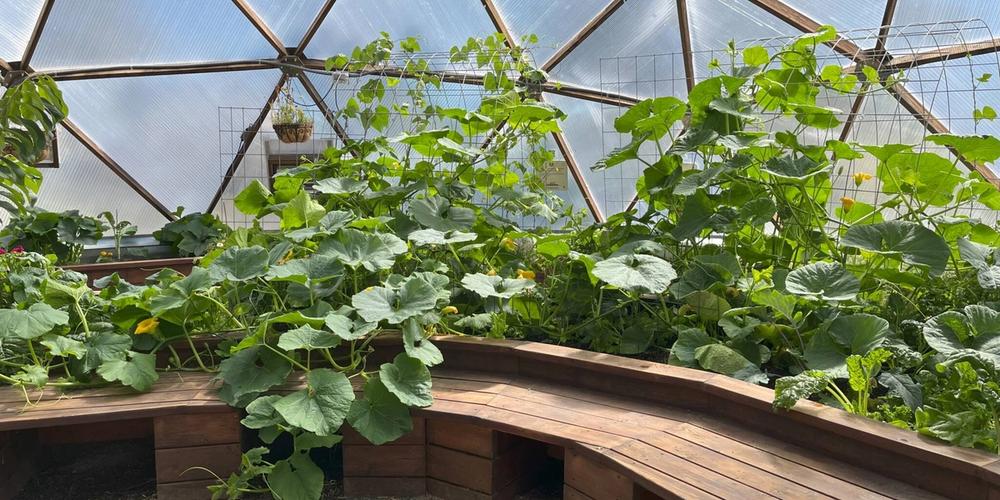
Mastering Winter Squash: From Seed to Storage

Winter squash and summer squash are two separate categories of squash. Winter squash grows on a vine, has a longer, frost-free growing season (75-100 days or longer) and is harvested after it matures. These types of squash have a hard, thick skin that will store for a longer period, hence the name winter squash. Summer squash grows on a bush, is a warm season, frost-free crop that is harvested while the rind is soft.
- Family: Cucurbitaceae
- Common Name: Winter squash (acorn, butternut, delicata, hubbard, pumpkin, spaghetti and other varieties)
- Type: Vegetable
- Light: Full sun
- Soil pH: Slightly acidic to neutral
- Soil: Well-draining
- Zone: 2-11 (USDA) – Can be extended in a dome
Growing Winter Squash
To grow winter squash it is best to plan ahead as it is a long growing season. Since squash does not tolerate frost it should be planted in late May and harvested in late summer or early fall. However, growing winter squash in a dome will extend the season.
Best Location in a Dome
Squash plants all require full sun so plant them on the west side of your dome. Be careful not to plant anything nearby that will block the sun.

Butternut squash Photo Credit: Amy Hager
Types of Winter Squash
If you are considering planting winter squash this fall, what varieties do you want to grow? Acorn, Butternut, Delicata, and Hubbard squash are just some of the varieties in this group.
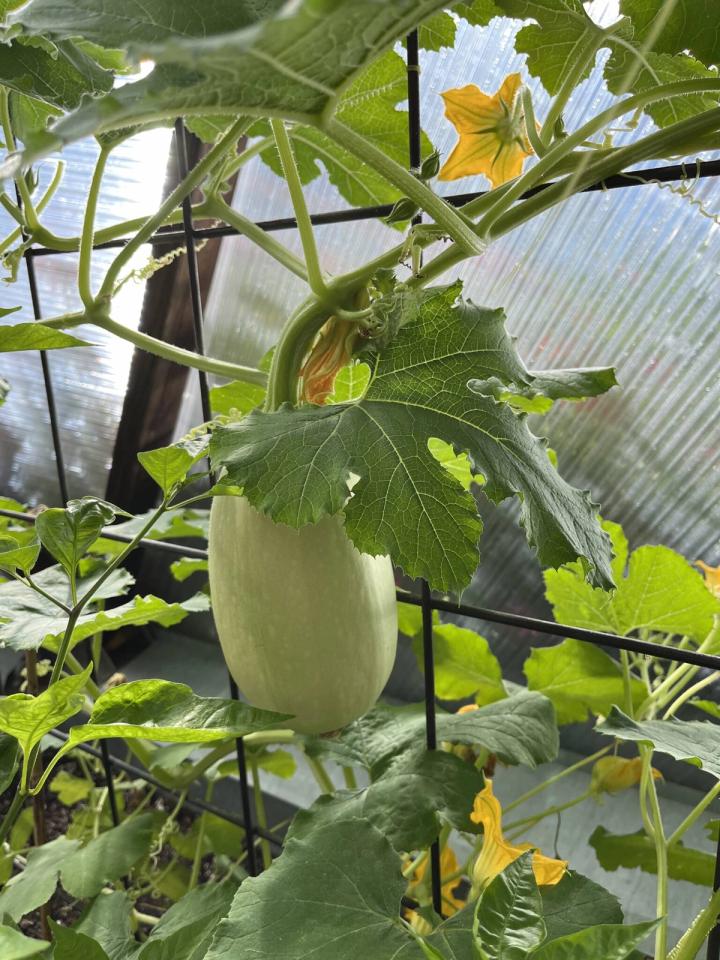
Kabocha
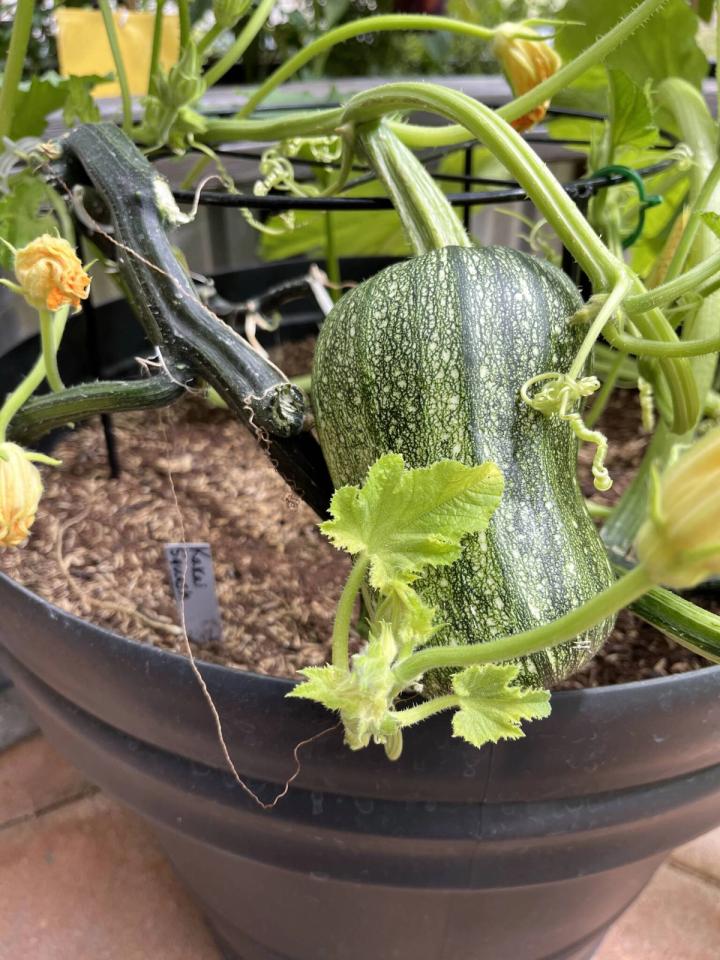
Kakai
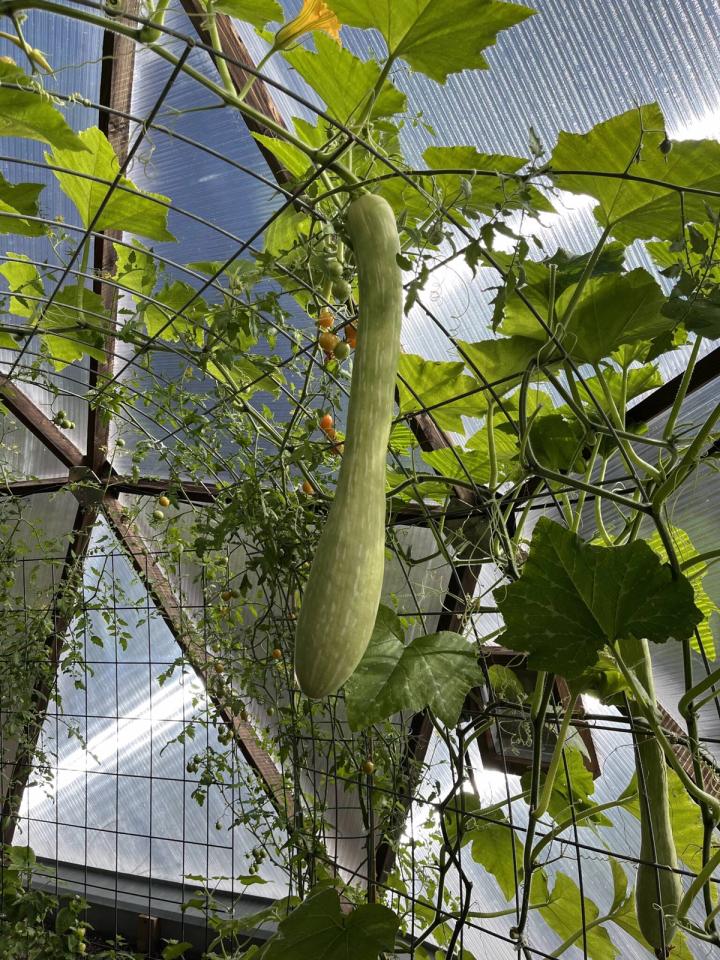
Trombocino
Planting Winter Squash
Winter squash have similar requirements; read on to learn more about some of the varieties.
Acorn: If direct sowing, plant seeds only once the soil temperature is consistently 60 degrees F. If starting indoors, plan to transplant your seedlings only when night temperatures have reached the 50s. Prefers well-draining soil and moderate watering. The growing season is about 80-100 days. Also called Cucurbita pepo var. Turbinata, pepper squash or Des Moines squash.
Butternut: If direct sowing, plant in late May or early June after all danger of frost has passed and the soil is 60-65 degrees F. If starting seeds indoors, start them about six weeks prior to the last expected frost. Prefers rich, well-draining soil mounded into a hill and one inch of water per week. The growing season is about 120 days. Also called Cucurbita moschata, Calabasa or Calabaza.
Delicata: If direct sowing, plant 3-5 seeds in a mound about ½-1” deep. Thin the seedlings so you are only growing two plants per mound. If starting indoors, start your seeds about one month prior to the last frost. Transplant out when the seedlings are about 2” tall. Prefers well-draining loam or sandy soil and regular watering. The growing season is about 100 days. Also called Cucurbita pepo, peanut squash, Bohemian squash or sweet potato squash.
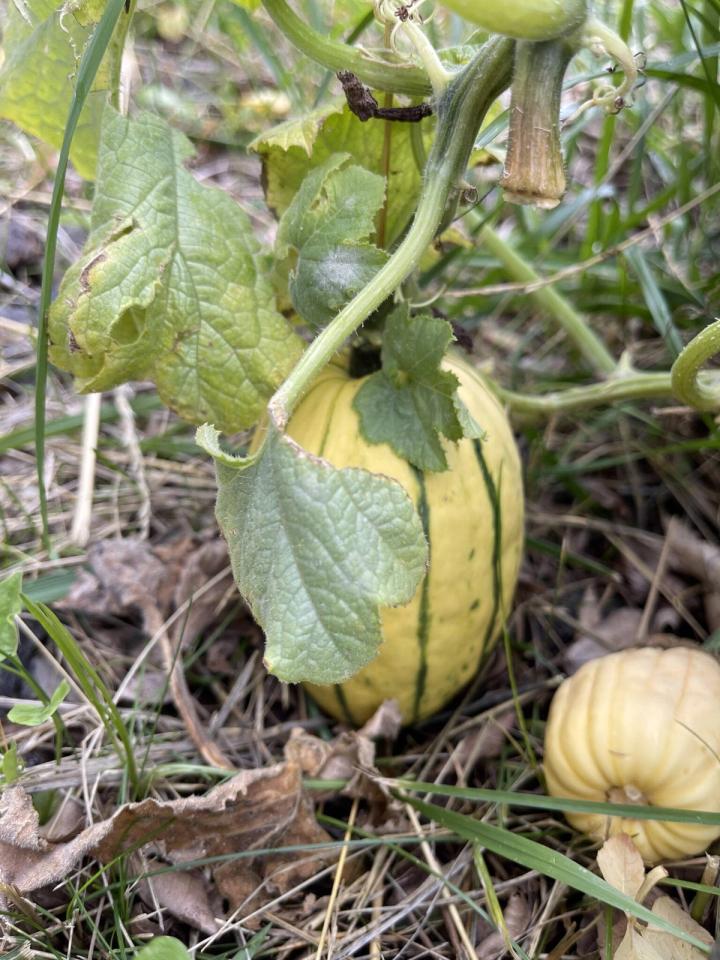
Delicata

Pueblo Hubbard
Hubbard: If direct sowing, plant the seeds ½ -1” deep in mounds 6-8’ apart. If starting indoors, use biodegradable pots to sow the seeds. Transplant them after they have been hardened off and the soil temperature is 70 degrees. Thin seedlings to one or two plants per mound. Prefers rich, well-draining soil amended with compost and regular, deep watering. The growing season is about 110 days. Harvest when the vine begins to die. Also called Cucurbita maxima, buttercup or green pumpkin.
Caring for Winter Squash
Light: Full sun. This means at least 6 hours of sunlight per day. For vining varieties that means a large area for them to spread out in full sun with no tall plants to block the sun.
Temperature: Squash seeds need a soil temperature of 70 degrees F or 21 degrees C or more along with no danger of frost. If your dome is unheated, start the seeds indoors and move them to your dome greenhouse once they are established seedlings.
Note: Squash seedlings do not always transplant well so handle roots gently or use biodegradable pots.
Soil: Well-draining, rich soil is needed for these heavy feeders.
Water: Squash plants are bigger drinkers! They will need about one inch of water per week. Do not let your seedlings dry out. Another thing to watch for is powdery mildew. Watering the soil rather than the plant leaves will help to avoid this issue.
Fertilizer: Squash plants are heavy feeders. To keep them healthy add about 2 tablespoons of all-purpose fertilizer around each hill or around the plant when blooms first appear. Scratch or mix the fertilizer into the soil and don’t let it touch the plant. Water the soil after fertilizing. Repeat this process once the vegetables begin to grow.
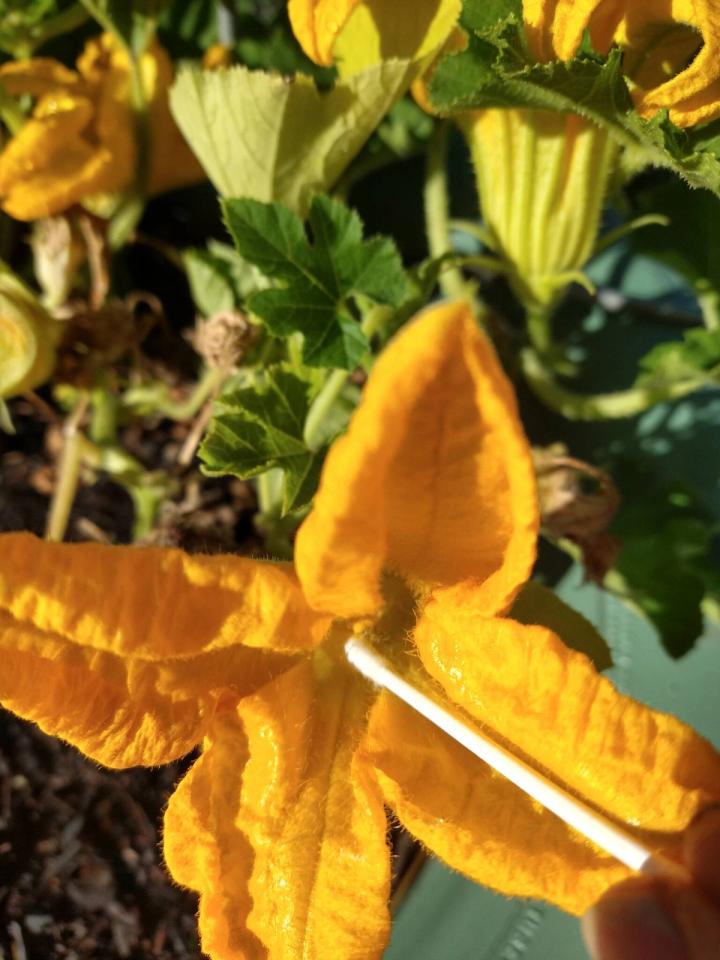
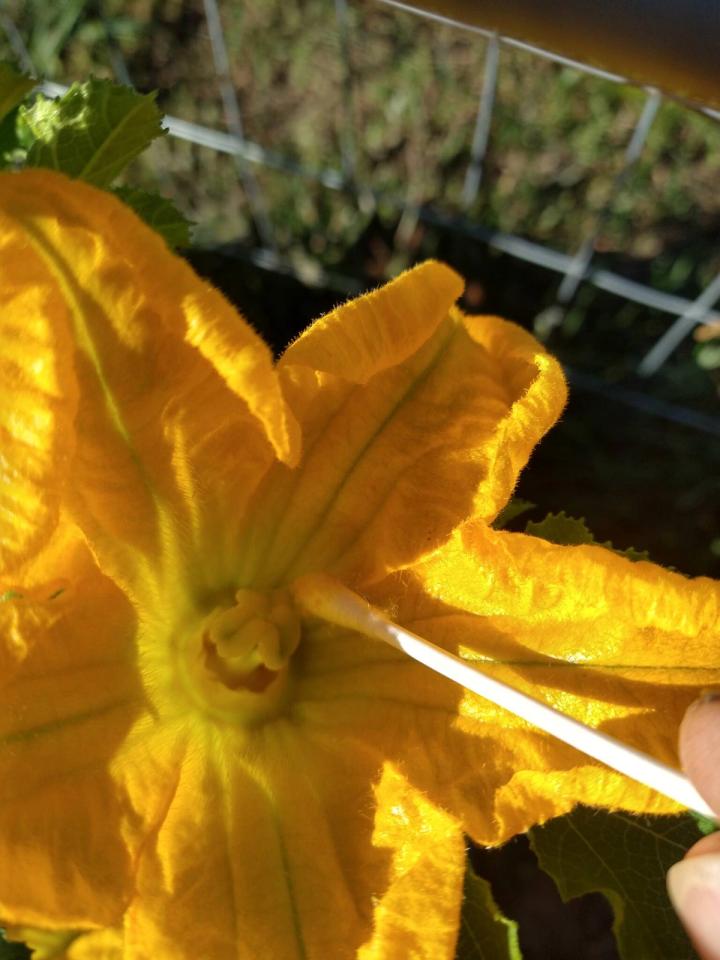
Pollination: Most squash plants will produce male and female flowers. If you do not have pollinators in your dome greenhouse, hand pollinate the female flowers using a small brush or cotton swab.
Best Companion Plants For Winter Squash
These plants are just a few that make great companions for winter squash: beans, borage, corn, dill, nasturtium, peas, radish and rosemary.
Beans and peas help by fixing nitrogen in the soil. Beans and corn are also part of the Three Sisters method as they all help each other to grow.
Borage and rosemary help attract pollinators to your squash plants plus they help to repel pests.

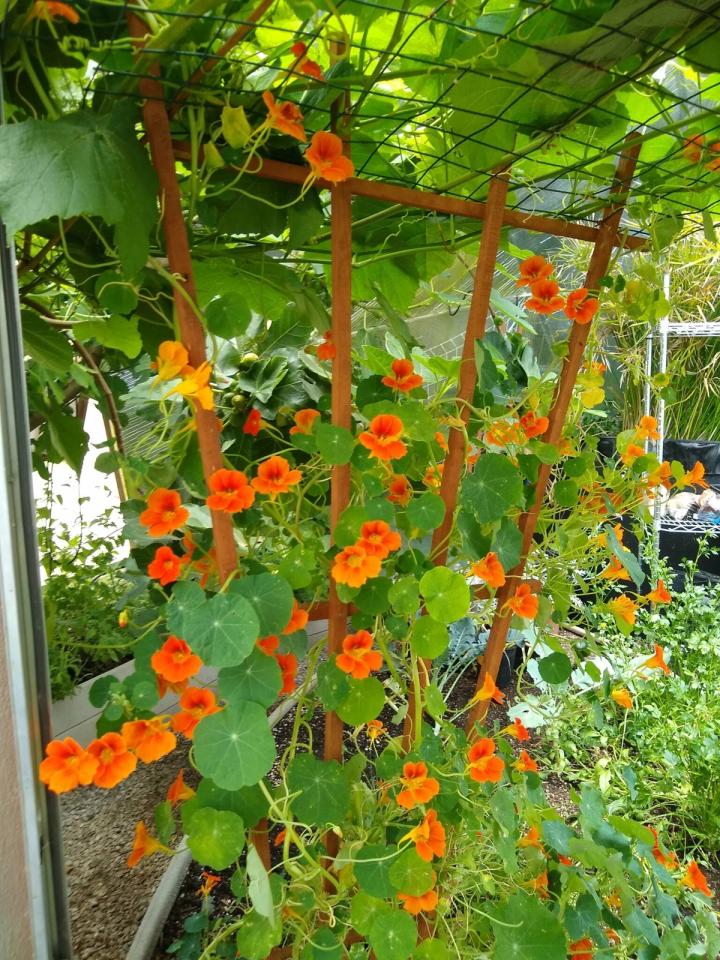
Dill, nasturtium and radishes help to repel pests. Of course dill and radishes are edible, but so are nasturtiums!
Worst Companions For Winter Squash
One aspect of companion planting is considering the roots of plants and how they are affecting their neighbors. Other factors are nutrient needs and growth rates.
Beets and potatoes negatively impact squash. Squash roots are sensitive and beets grow so fast they can disrupt the roots of your squash plants. Potatoes are heavy feeds and can starve your squash plants.
Fennel is very hardy and grows quickly, which can stunt the growth of your squash plants.
Melons are heavy feeders and will drain the nutrients that your squash plants need.
Managing Winter Squash Pests
The most common issue with squash plants are the dreaded squash bugs. Other pests are aphids, cucumber beetles and squash vine borers.
Aphids
No doubt you have experiend the sticky residue or sooty black mold that aphids leave behind. Aphids can be knocked off plants with a spray of water or use insecticidal soap. Don’t forget to attract those beneficial insects!

Did you know that there are some aphids that are specific to certain plants? Bean aphids, cabbage aphids, potato aphids and others. Our advice is to squash aphids!
Cucumber Beetles
One of the pests that can wreak havoc are cucumber beetles. They destroy seedlings and leave holes in flowers and leaves. They can also spread bacterial wilt which causes the plant to die. You can handpick them off plants, but if wilt is present the plant should be destroyed.
Squash Bugs
Pests known as squash bugs are sometimes mistaken for stink bugs, which are wider and rounder. Squash bugs are dark gray or brown and have orange stripes on their abdomen edges and undersides.
Once they make themselves at home they are difficult to control. While their favorite food is squash, particularly tender young plants, they also like cantaloupe, watermelon and cucumbers. They inject a toxin into the plant and then suck the sap out of the plant. This will cause yellow spots that will eventually turn brown and wilt. Since they are not getting nutrients the leaves will dry out. Small plants will die while more mature plants will lose the fruit.
Note: Wilt from squash bugs is different from bacterial wilt so find and identify the bugs.
It’s important to identify these bugs before they mature so check your squash, cucumbers and melons often. When you find them, pick them off and flick them into a bucket of water and liquid dish soap. After they die you can dump the water anywhere, but it’s best to dump it outside of your greenhouse.
Some gardeners use a butter knife to scrape the eggs off the leaves. Since eggs hatch after about 10 days, check your plants weekly.
One method for removing juvenile or adult squash bugs is to squash them! Place a board or newspaper in your greenhouse. The bugs will gather there in the night and you can squash them in the morning. Be sure to remove any leaf litter where they can hide. Check your plants daily if you are dealing with bugs rather than eggs.
If you are considering using insecticides, don’t bother as they are not effective against squash bugs.
Squash Vine Borers
Another challenging pest are squash vine borers. If your plants are thriving and then start to wilt, it could be squash vine borers. This pest is a moth that lays its eggs at the base of squash plants. After the eggs hatch, the larvae bores into the lower stems. This weakens or kills the plant.
So what do they look like?
- Look for tiny, flat, oval, brown eggs at the base of squash plants.
- If you suspect you have them, slit a stem open lengthwise. The borer larva has a fat, white, wrinkled body. It has a brown head and can grow to an inch long.
- The adult moth is only about ½ inch long with a gray or black body. It has distinctive orange-red markings on the abdomen, legs and head. The front wings are metallic green, but the hind wings are transparent.
Prevention is the best method for dealing with squash vine borers. Start your squash as soon as possible so that the stems are strong in the summer. Never plant your squash in the same location. Cover your squash plants to prevent moths from laying eggs and use beneficial insects to help protect your plants.
There are also some squash that are more resistant such as butternut squash whereas Hubbard squash is a favorite of these pests. Last options…plant extra plants for the pests and then remove squash plants after harvest and till the soil to dispose of overwintering pupae.
Managing Winter Squash Diseases
Diseases that affect squash plants are blossom-end rot, cucumber mosaic virus, downey mildew and powdery mildew.
Blossom-end Rot
Blossom-end rot is due to a lack of calcium, so the squash cannot develop. It can also be caused by over or under-watering as this impacts the plants ability to get the calcium from the soil. The signs are that the blossom end of the squash begins to break down and rot. It also impacts both the quality and quantity of the squash.
Cucumber Mosaic Virus
The virus known as Cucumber Mosaic Virus affects cucumbers, cucurbits such as squashes and melons as well as nightshades and leafy greens. Unfortunately it is quite common and is usually spread by aphids. Another reason to have beneficial insects in your dome greenhouse!
Prevention is very important as there is no way to cure this disease. Plants that get this virus must be removed and disposed of carefully so the disease doesn’t spread. Either dispose of them in a trash bag or burn them if possible. Do NOT put them in compost!
Be sure to monitor your other plants and sterilize your garden tools after each use with a bleach solution.
Downy Mildew and Powdery Mildew
Symptoms of downy mildew first appear as small, water soaked spots which later become yellow spots, withering leaves, downy white to gray fungal growth on the undersides of leaf lesions and dying leaves.
Since downy mildew is spread by wind, there is no way to prevent it. However, you can be proactive. Inspect any plants you are considering buying before bringing them home. If you are treating any suspected diseased plants be sure to disinfect any tools used.
Look for plant cultivars that are resistant to downy mildew. A good resource for advice and help is your county extension office or local garden club.
Consider growing squash on a trellis. This will help increase air circulation and allow leaves to dry. Pruning lower leaves will also help. Watering soil only will help keep moisture off the leaves.
If you do have infected plants, remove them immediately and destroy them. Do not compost them. Sanitize any tools used to remove the diseased plants.
Powdery mildew is a fungal disease that appears as a white blotchy pattern on the leaves. It is actually a layer of mildew made of spores. The spores are carried to other plants by wind.
Being proactive is an important tactic in fighting powdery mildew. Nowadays there are plants that are resistant to powdery mildew. Place plants that are susceptible in full sun as the disease favors shade. Prune your plants to increase air flow will help.
Another key component is how you water these plants. While watering from above can help wash spores off your plants, having wet foliage contributes to diseases. It is better to water the soil to help prevent plant disease.

Photo credit: Felicity Vega
Harvesting Winter Squash
Although they are called winter squash, they are usually harvested either in early to mid-autumn. However, they can be cured and stored throughout the winter whereas summer squash cannot be stored.
Winter squash is ready to harvest when the leaves have died back and are brown. The stems will dry out and become tough while the rind will get hard and turn a rich color.
To harvest squash, cut it off the vine in dry weather leaving an inch or two of the stem. Carry the squash by the body, never by the stem. Clean up the vines and compost them if there is no disease.
PS It’s okay if your happy helpers get excited and harvest too soon. Celebrate their enthusiasm!
Storing Winter Squash
Before storing winter squash it will need to be cured for around 7-10 days. This will harden the skin for storage. If it is dry, cure the squash in the sun on the vine. In wet weather, bring the squash inside and set it in a sunny window or a bench with slats to cure. Or cure squash inside your greenhouse.
After the squash has cured, wash it with a bleach rinse of ½ cup bleach to 5 cups of water. This will clean the skin as well as eliminate bacteria. Allow the squash to dry and then store in a dry, cool (40-50 degrees), dark place that has good circulation.
Many varieties of squash may be stored for two to four months. Some will store longer, but acorn squash will last a few weeks or possibly up to two months.
Winter Squash History
Wild squash originated in South America and was cultivated for its seeds. Squash seeds that are over 12,000 years old were found in caves in Ecuador! Historians also believe that squash was domesticated prior to corn and beans.
In Upstate and Central New York the Haudenosaunee (also known as Iroquois) began growing squash thousands of years ago. A wise choice for cold winters where long storage was valued.
Winter Squash Trivia
- There are many varieties of winter squash, but all winter squash have a hard, thick skin. In comparison, summer squash have soft skin and should be eaten before the skin hardens.
- Winter squash grow on vines, summer squash grow on bushes.
- If you want to store squash for winter, you should grow winter varieties.
- Did you know that in New Zealand and Australian English, the term pumpkin generally refers to the broader category called winter squash elsewhere?
- The word squash is derived from the word askutasquash, a Narragansett Native American word that means “eaten raw or uncooked”.
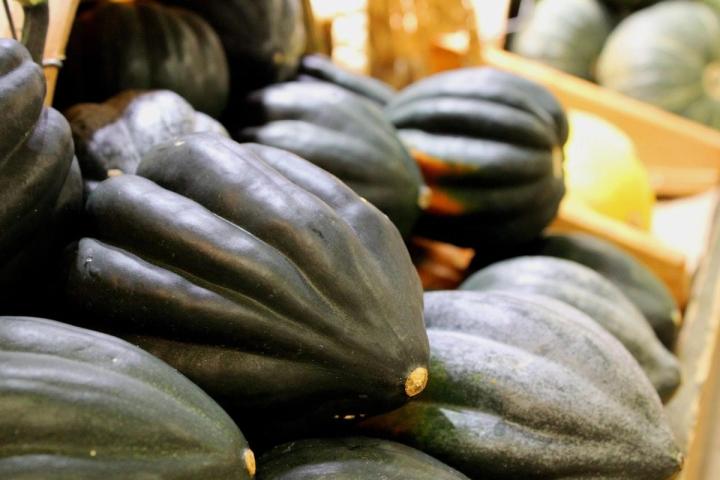
Acorn squash
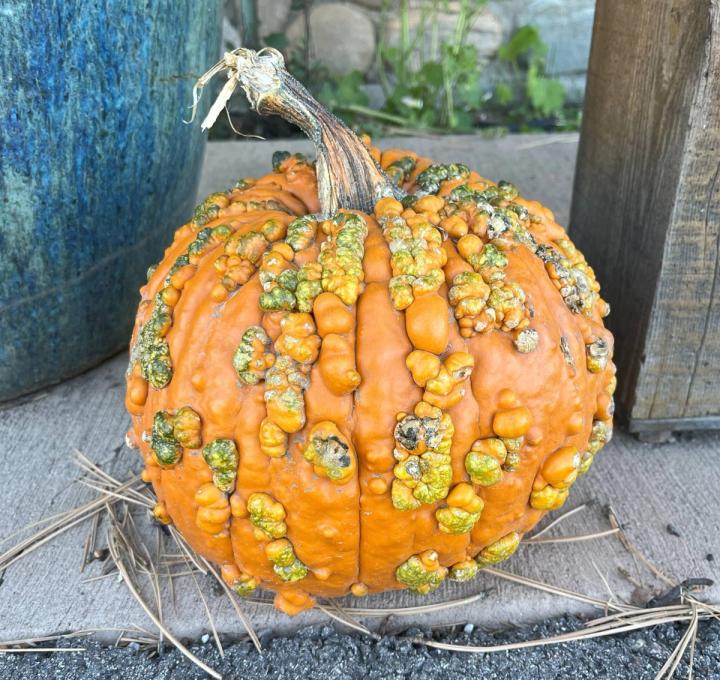
Pumpkin
Health Benefits of Winter Squash
Squash is amazing! It is low in carbs, calories and fat yet high in vitamin C. Some of the other benefits of squash are vitamin B, fiber, magnesium and potassium.
One of the superpowers of squash is that they contain antioxidants and those are all beneficial with no risk. Antioxidants are the heroes that take out those free radicals, which cause cell damage, which leads to disease.
Beta-carotene, an antioxidant, is found in squash. Your body takes that beta-carotene and turns it into vitamin A. Studies have shown that beta-carotene is linked to lower risk of cancer.
And there are other benefits to eating squash! As a source of minerals such as calcium and vitamins A and C it helps keep your bones and teeth healthy. These vitamins are also important for eye and skin health.
Iron, magnesium and potassium are also found in squash. Iron helps keep your blood healthy and to prevent anemia. While magnesium is great for heart health. Potassium also helps your heart and lowers blood pressure.
There are many winter squash recipes, but one of my fall favorites is butternut squash soup. Here’s a recipe to try!
If you haven’t grown winter squash in your garden before, consider it for next season or try it now in your dome greenhouse. Happy gardening!

Seasonal Growing Tips & Greenhouse Advice
Monthly stories from our greenhouses, Growing Dome spotlights, and other gardening content


Share This

I joined Growing Spaces in 2021 as a gardener and now work with the Marketing and Social Media department. Formerly I was a kindergarten teacher and then worked as a Gardener and Volunteer Coordinator at Maui Nui Botanical Gardens in Hawai'i. Since moving to Colorado I have worked in the veterinary field and have been involved in therapy dog work visiting hospitals, schools and libraries with a national therapy group. My previous dog and I also worked as a crisis response team helping those affected by crises or disasters and were deployed through Hope Animal-Assisted Crisis Response (Hope AACR). Muppet and Maple are my current therapy dogs and we visit the library and hospital here in Pagosa Springs. Muppet is also a crisis response canine with Hope AACR. Outside of working and volunteering, I love growing native plants, flowers, berries, herbs and veggies at home, photography, hiking, horseback with my husband and hanging out with our dogs.
View full bioDownloads
Featured Categories
Seasonal Growing Tips & Greenhouse Advice
Monthly stories from our greenhouses, Growing Dome spotlights, and other gardening content
Featured Stories


Growing Dome Photo Contest 2026


How the Growzebo™ Came to Life

Featured Products


Sign up for The Happy Grower Newsletter
Once a month: stories from our gardens, Growing Dome spotlights, and what's in season in Pagosa Springs.