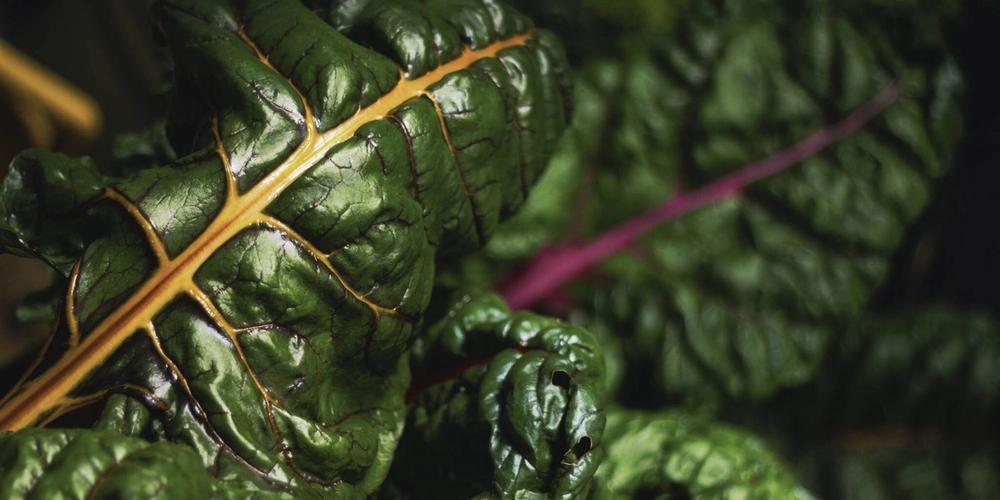
The 7 Best Winter Crops to Grow in a Greenhouse (or Your Backyard Garden)

Cultivating winter crops is possible for every type of grower. Backyard gardeners can extend their season with simple protection. Traditional greenhouse growers can produce food much longer than the outdoor season. And Growing Dome owners can enjoy a warm, thriving oasis even in deep winter.

Over the past 35 years, we have tested a wide variety of winter-friendly vegetables. From that experience, we selected the best winter crops for consistent, abundant harvests in cold weather. Whether you garden outdoors, in a hobby greenhouse, or inside a Growing Spaces Growing Dome Greenhouse, these crops are reliable performers.
With a Growing Dome, you can walk from a snow-covered yard into a green, productive environment filled with lettuce, root crops, and hardy brassicas. The passive solar design and thermal mass create a steady winter microclimate without the need for external heating.
Below is your complete guide to the best winter crops and how to grow them successfully in any setting.
What Makes These the Best Winter Crops
Winter-friendly crops share a few essential traits. They tolerate cold weather, adapt well to low light, and remain slow to bolt. Many even taste better after a light frost. While outdoor gardeners can grow some of these crops with row covers or mulch, a protected structure such as a greenhouse or Growing Dome offers greater stability and extended harvest potential. In a Dome, many winter crops grow all season long with no additional heat.
1. Beets
Beets are one of the most reliable winter crops thanks to their natural cold tolerance and ability to grow well even when sunlight is limited. Their sweet, earthy roots and nutrient-rich greens make them a dual-purpose plant that earns its place in every winter garden. Beets have been cultivated since ancient Greece and Rome and even appear in legends about the Hanging Gardens of Babylon. Today, they remain valued for supporting circulation, cardiovascular health, and overall vitality.

How to Grow Beets in Winter
- Light requirements: Full sun with at least 6 hours of direct light
- Soil preferences: Loose, well drained soil with pH 6.0 to 7.0
- Watering needs: Even moisture with about 1 inch of water per week
- Temperature range: Air ideal 50 to 65 F, Soil ideal 45 to 75 F, Tolerates air down to 28 F and soil down to about 32 F
- Spacing: Thin to 3 to 4 inches apart
- Germination: 5 to 14 days at 45 to 85 F
- Time to maturity: 55 to 70 days
- Harvest notes: Harvest roots at 1.5 to 3 inches for best flavor

How Beets Perform in Different Winter Setups
Outdoor gardeners can grow beets successfully with row covers or mulch to keep the soil workable. Traditional greenhouse growers benefit from slightly warmer soil but may still experience slow growth on short winter days. Growing Dome gardeners see consistent winter growth without supplemental heat, and beets tend to develop excellent sweetness.
Read the full beet growing guide.
2. Brassicas: Broccoli, Cauliflower, and Romanesco
Brassicas are winter gardening classics, prized for their resilience and exceptional nutritional value. Broccoli offers immune-supporting vitamins, cauliflower delivers fiber and minerals, and romanesco provides an impressive amount of vitamin C. With similar care requirements across varieties, brassicas are both forgiving and rewarding in winter

How to Grow Brassicas in Winter
- Light requirements: Full sun or strong winter greenhouse light
- Soil preferences: Rich, well amended soil with pH 6.0 to 7.5
- Watering needs: Consistent deep watering at the base of the plant
- Temperature range: Air ideal 45 to 75 F, Soil ideal 50 to 75 F, Tolerates air down to 26 F for short periods
- Spacing: 18 to 24 inches apart
- Germination: 4 to 10 days at 65 to 75 F
- Time to maturity: 60 to 100 days
- Harvest notes: Harvest heads when tight, firm, and fully shaped

How Brassicas Perform in Different Winter Setups
Outdoor gardeners can grow brassicas with frost cloth or hoop tunnels for protection. Traditional greenhouse growers gain stability but must avoid sudden temperature swings that can cause bolting. Growing Dome gardeners enjoy excellent head formation thanks to steady temperatures and effective winter light capture.

Romanesco
Read the full brassica growing guide.
3. Cabbage
Cabbage is a winter workhorse with deep cultural roots. In eighteenth-century Ireland, it was an essential crop during times of food insecurity. Its ability to store well, grow in cold weather, and transform into countless dishes makes it a winter staple. Cabbage is as beautiful as it is practical, bringing large, sculptural heads to your winter garden.

How to Grow Cabbage in Winter
- Light requirements: Full sun or bright filtered winter light
- Soil preferences: Firm, fertile soil with pH 6.5 to 7.0
- Watering needs: Even moisture applied at soil level
- Temperature range: Air ideal 45 to 75 F, Soil ideal 50 to 75 F, Tolerates air down to 20 F depending on variety
- Spacing: 12 to 18 inches apart
- Germination: 5 to 10 days at 60 to 70 F
- Time to maturity: 70 to 110 days
- Harvest notes: Harvest when heads feel solid and heavy

How Cabbage Performs in Different Winter Setups
Outdoor gardeners can grow cabbage reliably with mulch and row covers for extra protection. Traditional greenhouse growers produce more uniform heads and avoid weather-related damage. Growing Dome gardeners enjoy year-round cabbage with excellent texture and steady growth.
Read our guide on growing cabbage.
4. Carrots
Carrots are one of the sweetest rewards of winter gardening. As temperatures cool, carrots convert starches into sugars, developing exceptional flavor. Their versatility makes them a beloved winter crop, useful in salads, juices, roasts, soups, and desserts.

How to Grow Carrots in Winter
- Light requirements: Full sun to partial winter sun
- Soil preferences: Deep, loose soil with pH 6.0 to 6.8
- Watering needs: Light, steady moisture to prevent cracking
- Temperature range: Air ideal 45 to 75 F, Soil ideal 45 to 70 F, Tolerates air down to 20 F and soil down to 28 F
- Spacing: Thin to 1-2 inches apart
- Germination: 10 to 21 days at 55 to 75 F
- Time to maturity: 60 to 80 days
- Harvest notes: Best flavor develops in cold conditions

How Carrots Perform in Different Winter Setups
Outdoor gardeners can overwinter carrots in mulched beds with excellent results. Traditional greenhouse growers benefit from straight roots and consistent soil conditions. Growing Dome gardeners harvest carrots all winter without soil freezing.
Read our guide to growing carrots in a dome.
5. Chard
Chard brightens winter gardens with its vibrant stems and lush leaves. Once used as green manure in nineteenth-century Canada, chard is now appreciated for its nutritional value and beauty. This hardy green produces reliably during cold months and brings color to any winter greenhouse.

How to Grow Chard in Winter
- Light requirements: Full sun to partial sun
- Soil preferences: Fertile, well drained soil with pH 6.0 to 7.0
- Watering needs: Steady moisture without waterlogging
- Temperature range: Air ideal 50 to 75 F, Soil ideal 50 to 70 F, Tolerates air down to 28 F with leaf damage below 25 F
- Spacing: 8 to 12 inches apart
- Germination: 7 to 14 days at 65 to 75 F
- Time to maturity: 45 to 60 days
- Harvest notes: Pick outer leaves to encourage continuous growth

How Chard Performs in Different Winter Setups
Outdoor gardeners can keep chard growing with simple frost protection. Traditional greenhouse growers enjoy larger, more vibrant leaves. Growing Dome gardeners see vigorous chard growth all year with minimal maintenance.
Read our guide on how to grow chard.
6. Garlic: A Garden Superhero
Garlic delivers culinary depth and natural pest protection, making it a winter essential. Hardneck varieties thrive in colder climates, while softneck varieties store longer and are ideal for greenhouse and Dome growing. Its long maturity cycle makes winter planting an excellent use of the season

How to Grow Garlic in Winter
- Light requirements: Full sun
- Soil preferences: Loose, well drained soil with pH 6.0 to 7.0
- Watering needs: Light watering after planting, minimal throughout winter
- Temperature range: Air ideal 32 to 50 F for winter dormancy, Soil ideal 40 to 55 F, Tolerates air down to 10 F with mulch
- Spacing: 4 to 6 inches apart
- Germination: Sprouts in 7 to 14 days depending on temperature
- Time to maturity: 8 to 9 months
- Harvest notes: Harvest when the bottom three leaves have browned
How Garlic Performs in Different Winter Setups
Outdoor gardeners can overwinter garlic with mulch, especially hardneck varieties. Traditional greenhouse growers see earlier harvests and fewer disease issues. Growing Dome gardeners grow uniform, healthy bulbs with almost no intervention.

Read our blog about growing garlic.
7. Lettuce
Lettuce thrives in cool weather and grows rapidly during the winter season. With a wide range of colors, textures, and flavors, it transforms any winter greenhouse into a lush, living salad bar. Lettuce is also a member of the Asteraceae family, sharing its lineage with sunflowers.

How to Grow Lettuce in Winter
- Light requirements: Bright indirect sun or filtered winter light
- Soil preferences: Loose, fertile soil with pH 6.0 to 7.0
- Watering needs: Light, even watering to avoid soggy soil
- Temperature range: Air ideal 45 to 65 F, Soil ideal 45 to 65 F, Tolerates air down to 28 F
- Spacing: 6 to 12 inches depending on variety
- Germination: 7 to 10 days at 60 to 70 F
- Time to maturity: 30 to 60 days
- Harvest notes: Harvest outer leaves regularly or cut whole heads

How Lettuce Performs in Different Winter Setups
Outdoor gardeners can grow lettuce in cold frames or under row covers with excellent success. Traditional greenhouse growers get steady harvests and strong color development. Growing Dome gardeners enjoy fast growth and tender leaves all winter long.
Read all about growing lettuce in our blog.
Grow the Best Winter Crops With Confidence
Winter gardening is not only possible but deeply rewarding. Whether you garden outdoors with simple protection, manage a traditional greenhouse, or enjoy the passive solar stability of a Growing Dome, these seven crops offer reliable food production during the coldest months of the year.

If the winter crops you are hoping to grow are not featured in this guide, don’t worry! We continue to explore new varieties and share recommendations through our monthly newsletter.

Seasonal Growing Tips & Greenhouse Advice
Monthly stories from our greenhouses, Growing Dome spotlights, and other gardening content


Share This

I joined Growing Spaces in 2021 as a gardener and now work with the Marketing and Social Media department. Formerly I was a kindergarten teacher and then worked as a Gardener and Volunteer Coordinator at Maui Nui Botanical Gardens in Hawai'i. Since moving to Colorado I have worked in the veterinary field and have been involved in therapy dog work visiting hospitals, schools and libraries with a national therapy group. My previous dog and I also worked as a crisis response team helping those affected by crises or disasters and were deployed through Hope Animal-Assisted Crisis Response (Hope AACR). Muppet and Maple are my current therapy dogs and we visit the library and hospital here in Pagosa Springs. Muppet is also a crisis response canine with Hope AACR. Outside of working and volunteering, I love growing native plants, flowers, berries, herbs and veggies at home, photography, hiking, horseback with my husband and hanging out with our dogs.
View full bioDownloads
Featured Categories
Seasonal Growing Tips & Greenhouse Advice
Monthly stories from our greenhouses, Growing Dome spotlights, and other gardening content
Featured Stories


Growing Dome Photo Contest 2026


How the Growzebo™ Came to Life

Featured Products


Sign up for The Happy Grower Newsletter
Once a month: stories from our gardens, Growing Dome spotlights, and what's in season in Pagosa Springs.